No products in the cart.

DRAG

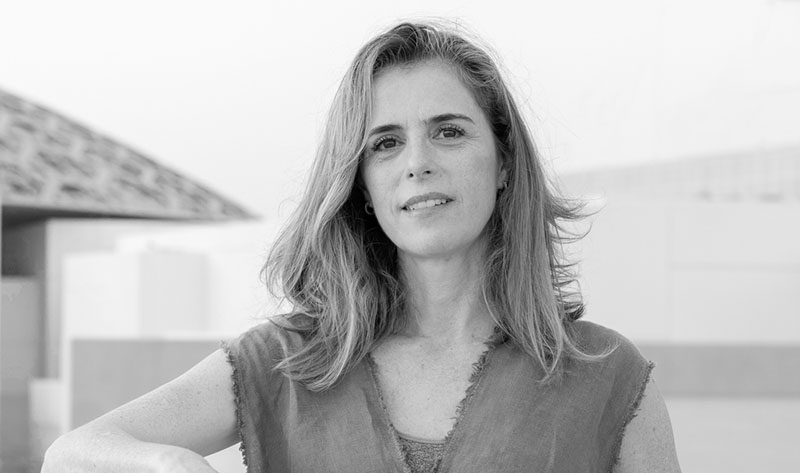
Fabiola Chiminazzo

Fabiola Chiminazzo earned her undergraduate degree in Visual Arts from the Armando Alvares Penteado Foundation (FAAP) in Brazil. Her artistic research includes photography, drawing, painting, objects, and installations. Her work was exhibited in group exhibitions across Brazil, including: The Hero’s invention, the Museum of Contemporary Art of Sorocaba (MACS) (2022); Study for Talents, University of Campinas (2016); Contraprova, Paço das Artes, University of São Paulo (2015).

In 2015, she was awarded a solo show, Study in Seeing, at Cultural Center Adamastor, Brazil, and her work is in the Museum of Contemporary Arts of Sorocaba collection. In 2022 she exhibited in 421, UAE, in the show NYUAD MFA: In Process In Progress, and won the Art Circle Organization Award 2022.
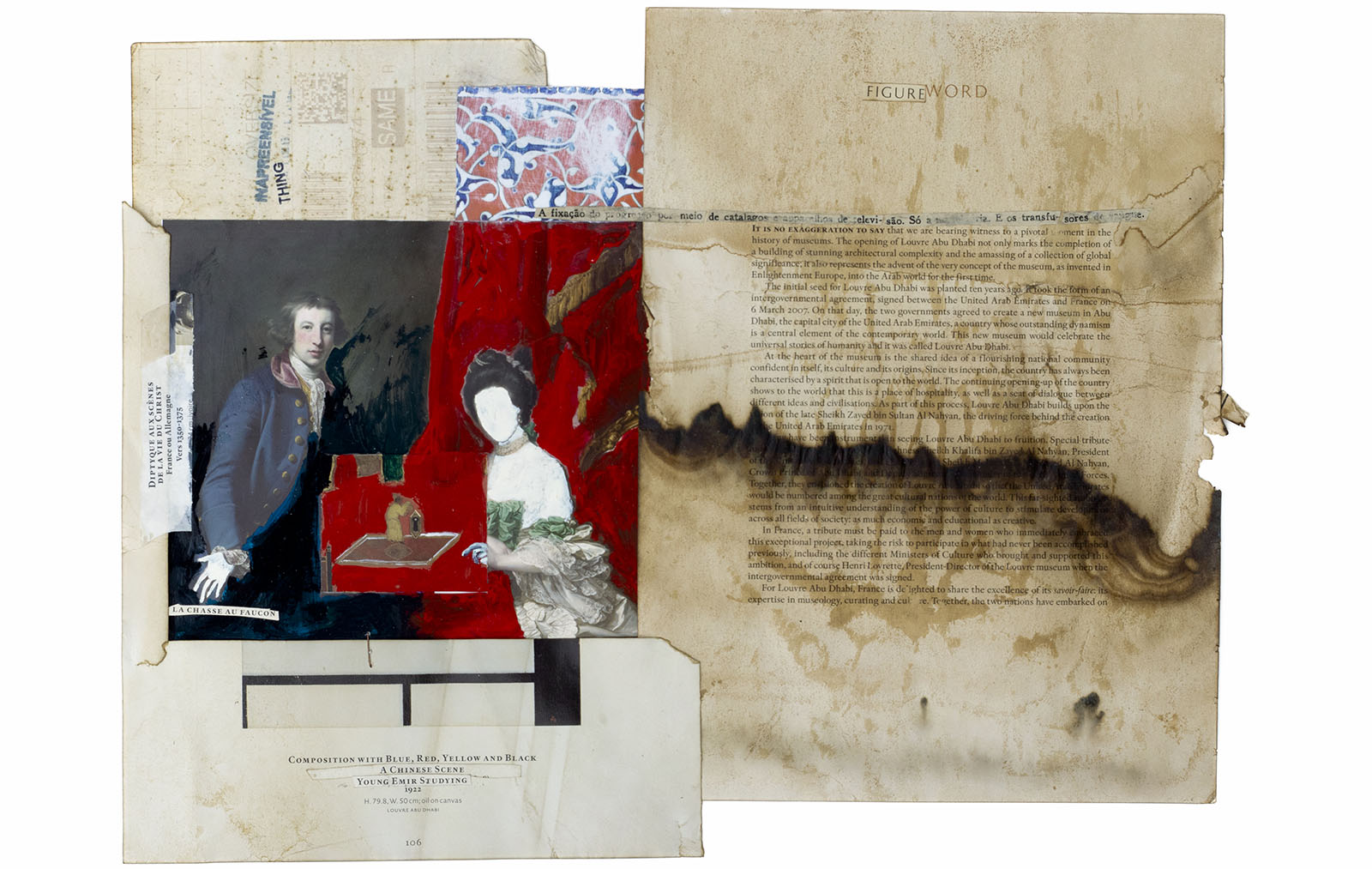
Encounter Museum

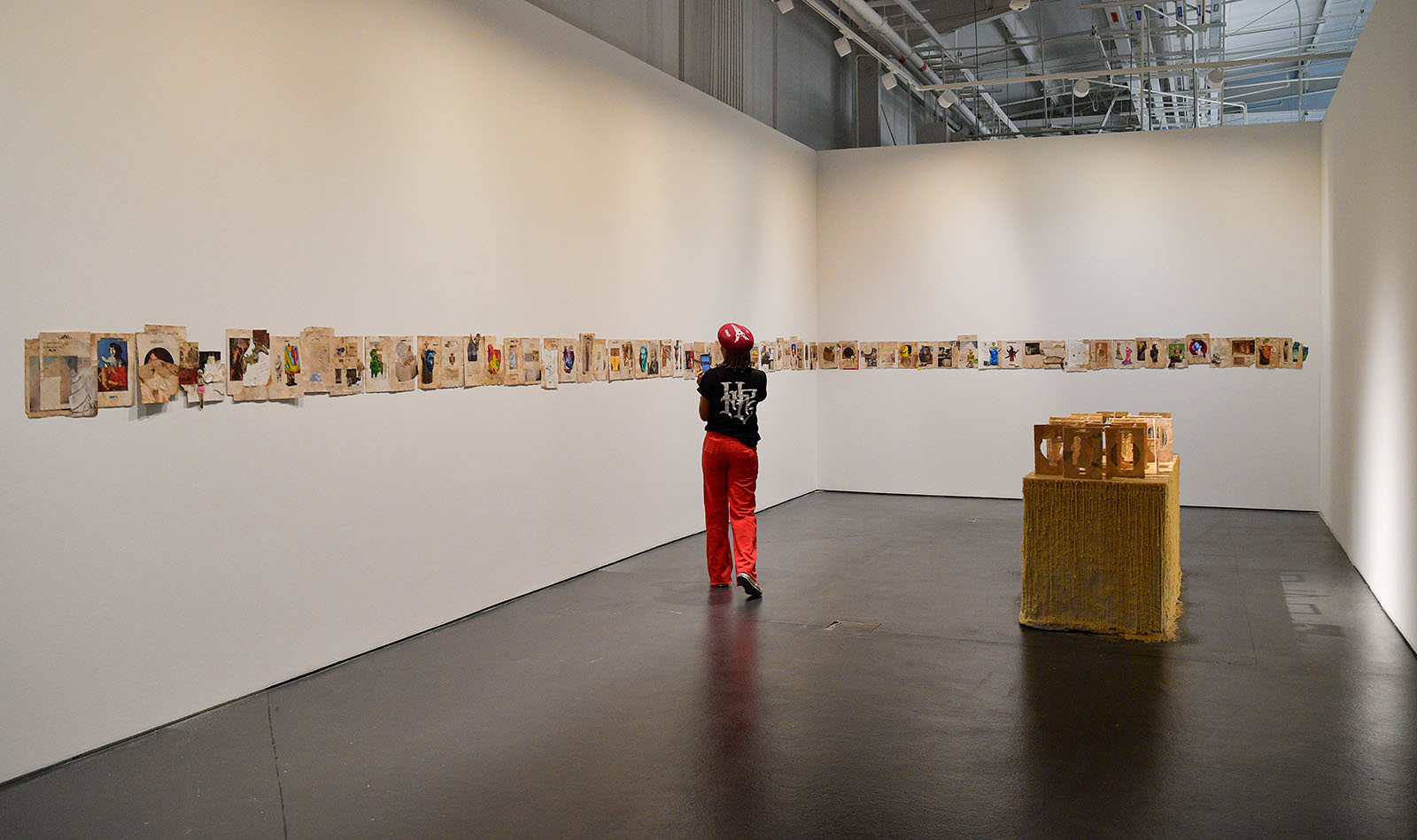
What happens when an object, text, or category is “out of place” because it does not conform to the museum’s organizational principles? Inspired by art historian Aby Warburg’s “Mnemosyne Atlas” (named after the Greek goddess of memory, I identify and reinterpret incomplete and ambiguous narratives in the Louvre Abu Dhabi’s collection using its masterpieces catalog to build them in an unpredictable order, likeness, hierarchy, and logic. As operating fields can be rearranged, combined, or overlapped, the work constantly re-edits, reviews, and assembles images as “lines of flight” (Deleuze), opening up in unexpected ways and creating multiple narratives. These works examine the archive and its manifestations in art and history, exploring the relationships between authenticity, appropriation, and fragility. The attempt is to piece together images and “interpret” the configurations of time by combining “constructed” or fake fragments of a young museum like the Louvre Abu Dhabi.

The project also makes reference to Brazilian poet Oswald de Andrade’s (1889-
1954) Anthropophagic Manifesto, which uses cannibalism as a metaphor to criticize and reject European supremacy by devouring and consuming all influences to create something new. Destruction, appropriation, and creation of new ideas are at the core of classifying, collecting, and interpreting art. Thus, reflecting on how we interact with historical memory and narratives embedded in images enables us to become agents of change rather than simple observers.

NEWSLETTER