No products in the cart.

DRAG

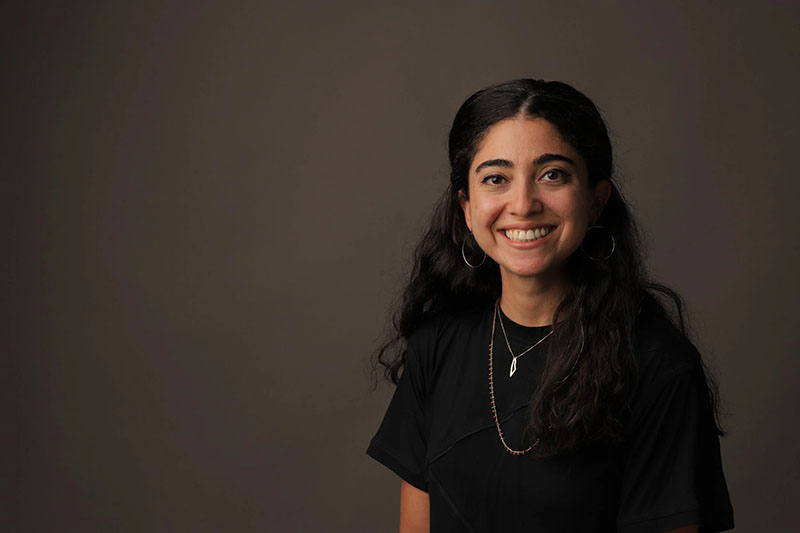
Liane Al Ghusain

Liane Al Gusain is a Palestinian-Kuwaiti artist who received her BA and MA in English with a focus on creative writing from Stanford University (USA), and was awarded Interdisciplinary Honors in Feminist Studies. She also has completed postgraduate studies at the Ashkal Alwan Home Workspace Program in Beirut, Lebanon. She has shown her artwork at The Mine Gallery, Art Dubai, UAE (2023); The Object Salon, Kuwait (2022); 421, Abu Dhabi Art, UAE (2021); Framer Framed, the Netherlands (2015); and in online exhibitions.

Al Ghusain recently completed a residency at the A.M. Qattan Foundation in Ramallah, Palestine. Liane has been awarded various grants, prizes, residencies and fellowships, including scholarships and research grants from Stanford University, New York University Abu Dhabi, and the Kuwait Culture Office. She has published writings in a wide range of international publications such as Berlin Quarterly (Germany); The Outpost (Lebanon); and WTD magazine (UAE). She was the first director of the Contemporary Art Platform (CAP Kuwait) and spent the last decade working as an artist, copywriter, culture/education consultant, entrepreneur, writing coach, and yoga & meditation teacher.
I Would Tread Lightly

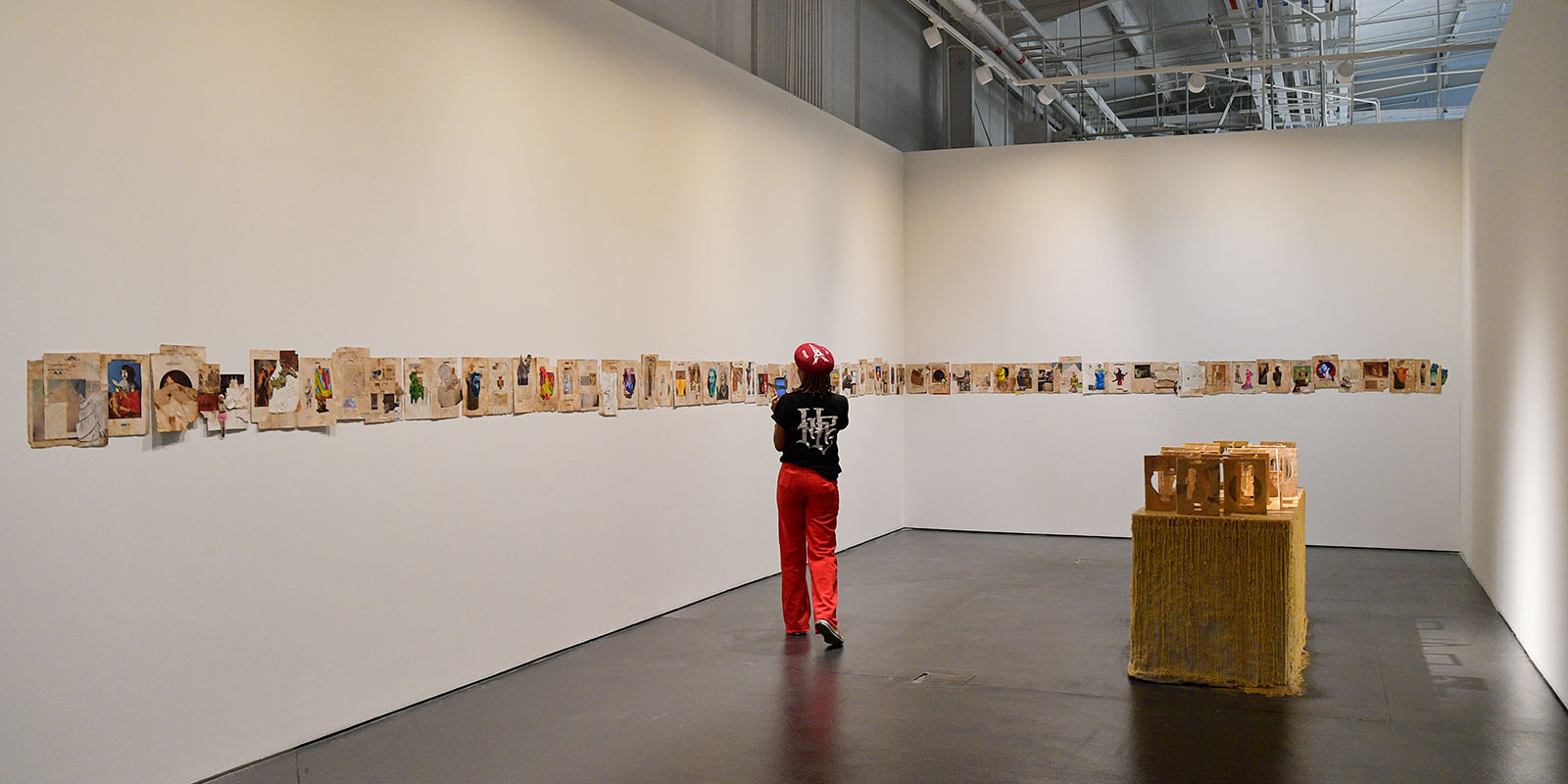
This exhibition presents objects related to being a Palestinian in diaspora, and more specifically, the sense of heaviness that results from vicarious trauma and unbelonging. Upon abstracting the said heaviness into geometric embroidery, serial sculptures, non-narrative videos, and performance works, the artist finds entry points for processing emotional trauma, both individually and collectively.

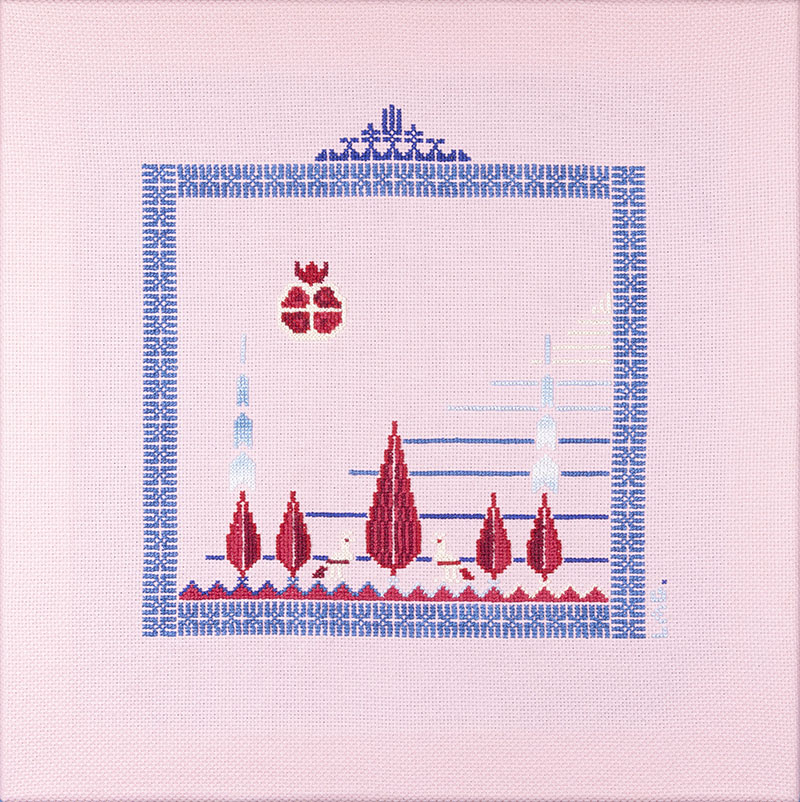
The video works in I Would Tread Lightly cluster around the themes of glitches, self-censorship, and the surreal search for home. A series of sculptures made of clay, textile, resin, and children’s play objects, act as stand-ins for the women and children from Palestine who are illegally held in occupier prisons. Also represented in this body of works are the 12 withheld bodies of Palestinians who have died in prison, never to be given a funeral or dignified burial. The embroideries in the show are a series of maps that reinterpret traditional Palestinian embroidery motifs, both as containers and as speculative escape plans.

Another cluster of works explore the impressions from Al Ghusain’s first trip to Palestine at age 34. The writings, Palestine Striations, are created with her non-dominant hand, in order to tap into the subconscious. She also explores the landscape of Palestine, specifically its hills, sunsets, and waterfalls as a way of joyously experiencing what should have been part of her childhood and as a catalyst for an intentional mourning process as an adult.

NEWSLETTER