No products in the cart.

DRAG

Community & Critique: SEAF 2019/2020 Cohort 7 show

TIMINGS

14 September – 13 November
10:00 AM – 8:00 PM

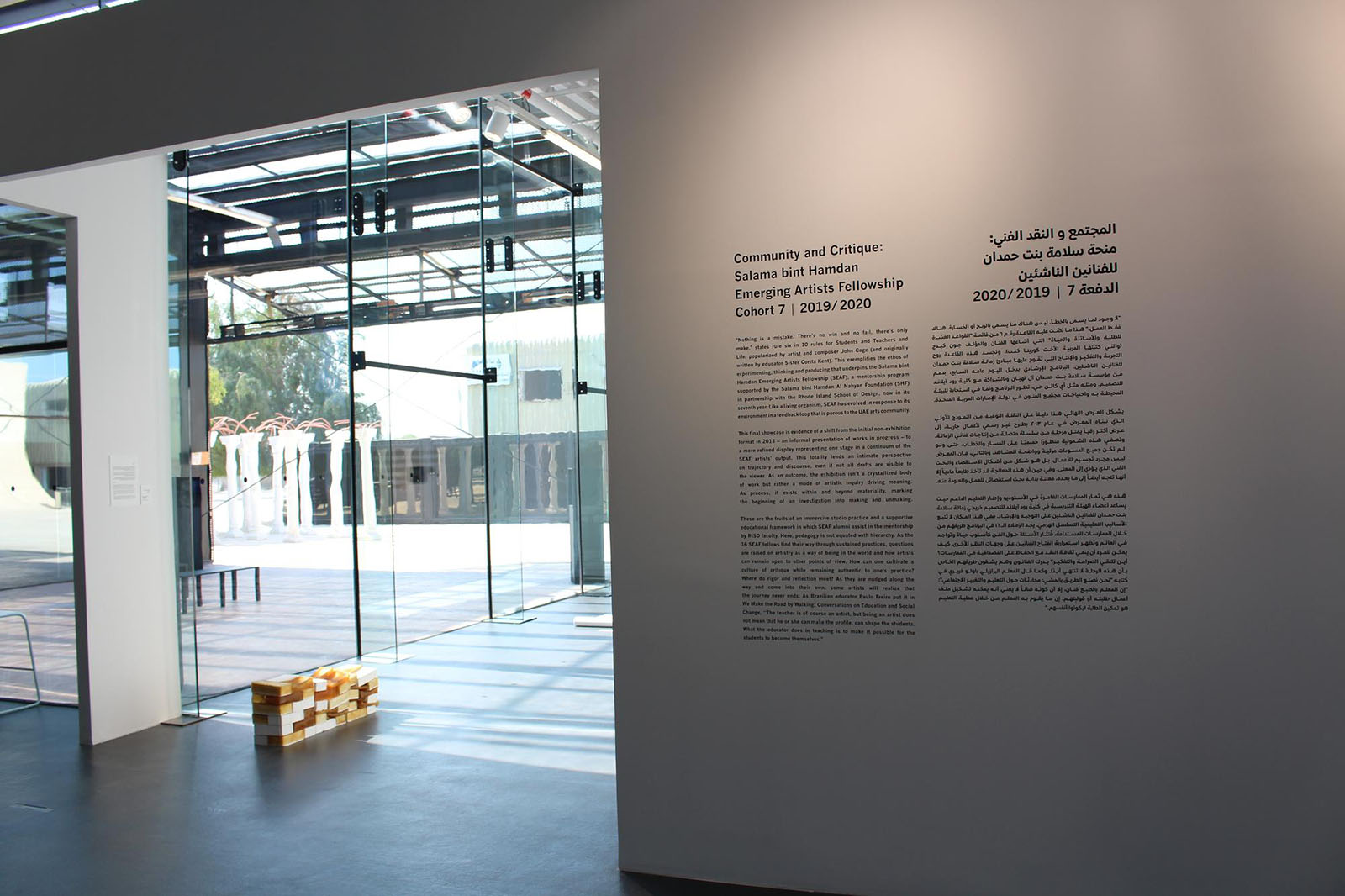
Nothing is a mistake. There’s no win and no fail, there’s only make,” states rule six in 10 rules for Students and Teachers and Life, popularized by artist and composer John Cage (and originally written by educator Sister Corita Kent). This exemplifies the ethos of experimenting, thinking and producing that underpins the Salama bint Hamdan Emerging Artists Fellowship (SEAF), a mentorship program supported by the Salama bint Hamdan Al Nahyan Foundation (SHF) in partnership with the Rhode Island School of Design, now in its seventh year. Like a living organism, SEAF has evolved in response to its environment in a feedback loop that is porous to the UAE arts community.

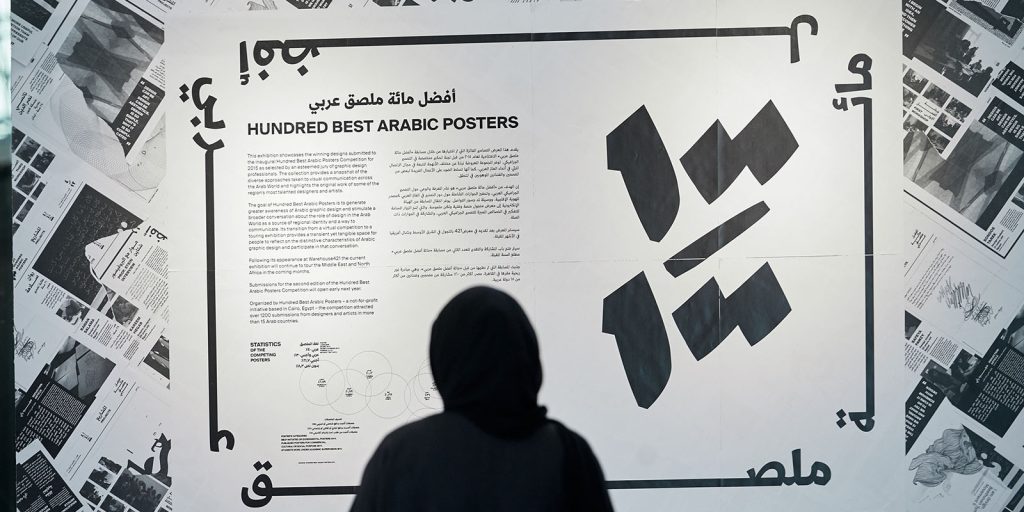
This final showcase is evidence of a shift from the initial non-exhibition format in 2013 – an informal presentation of works in progress – to a more refined display representing one stage in a continuum of the SEAF artists’ output. This totality lends an intimate perspective on trajectory and discourse, even if not all drafts are visible to the viewer. As an outcome, the exhibition isn’t a crystallized body of work but rather a mode of artistic inquiry driving meaning. As process, it exists within and beyond materiality, marking the beginning of an investigation into making and unmaking.
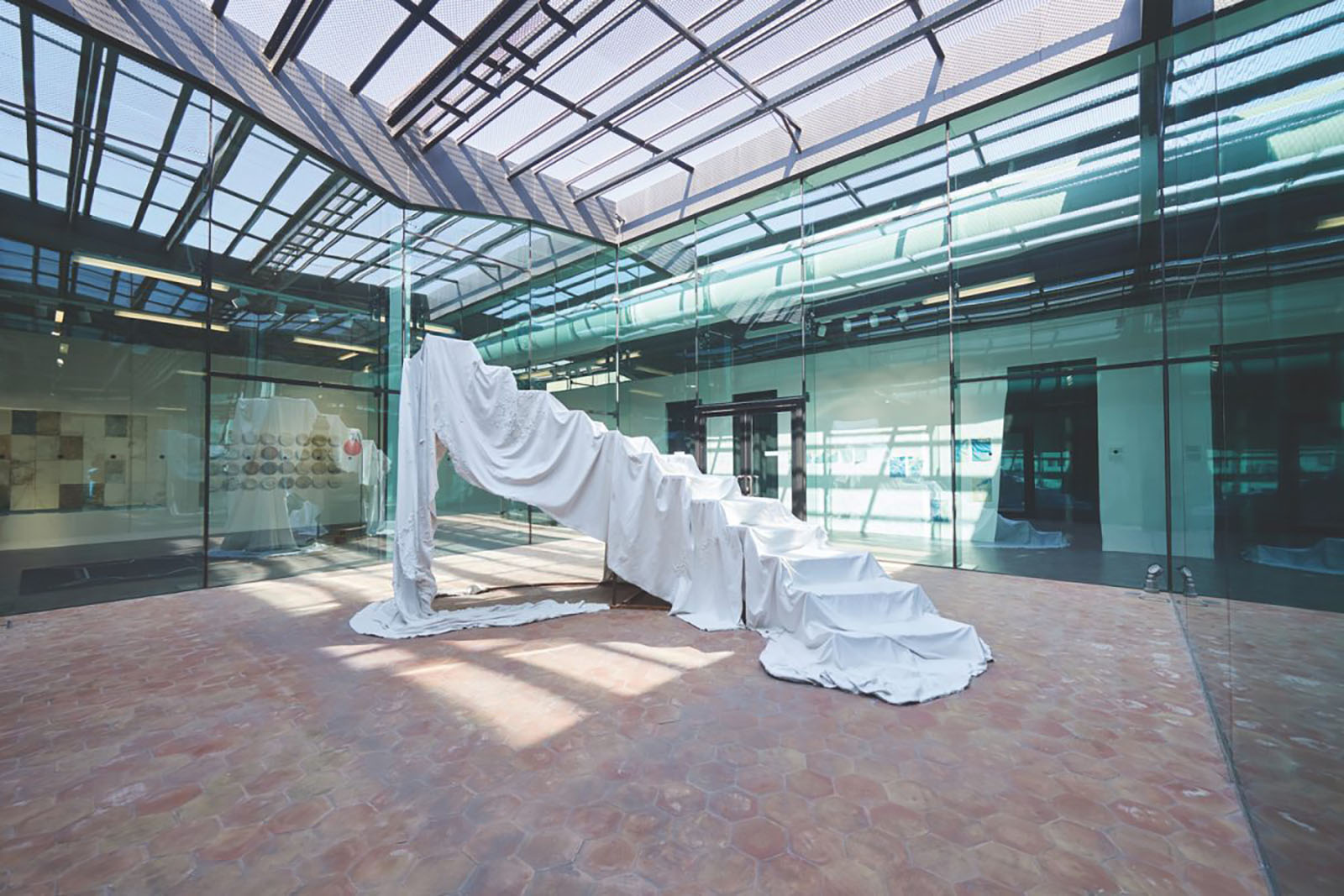
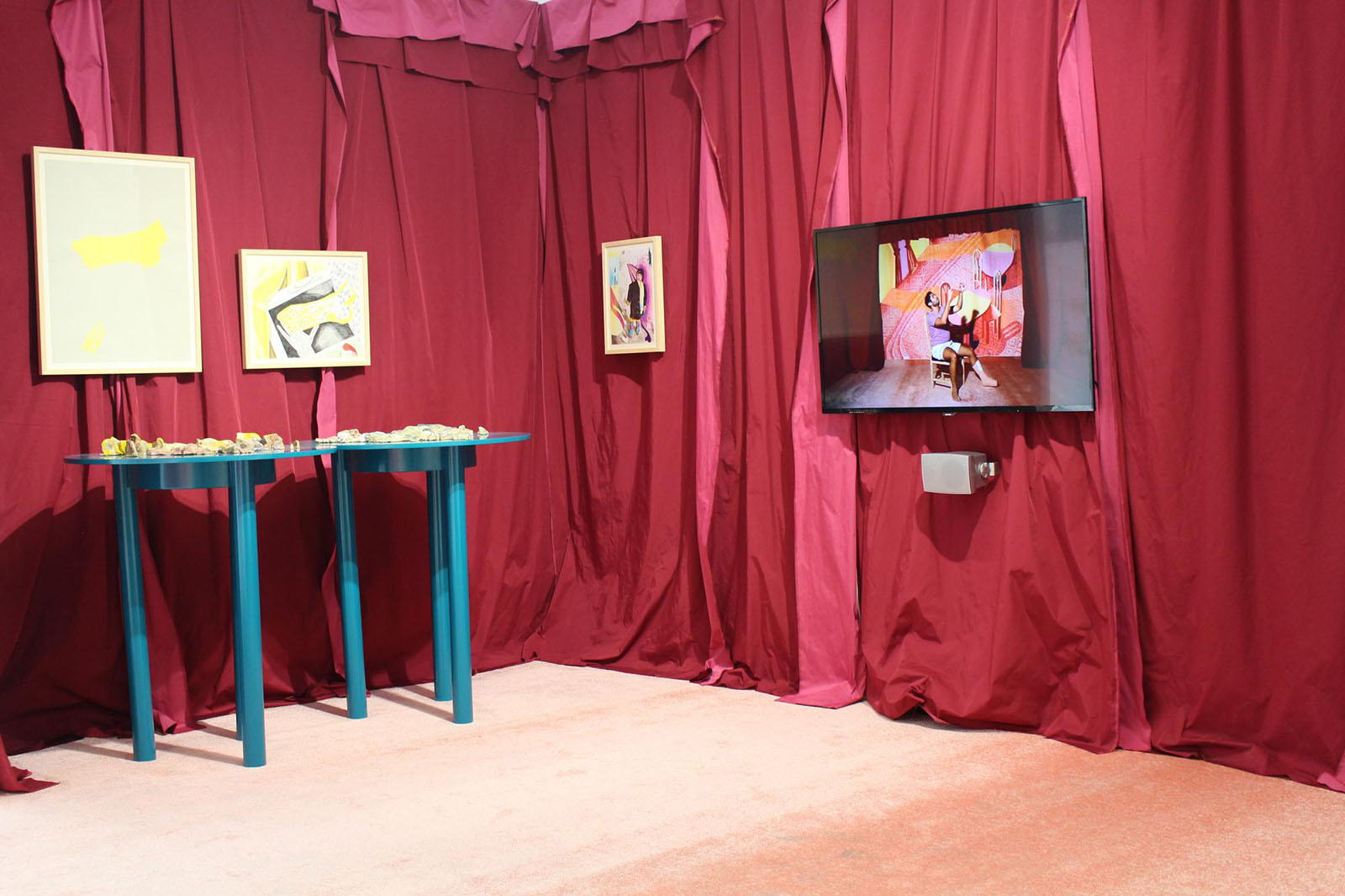
 

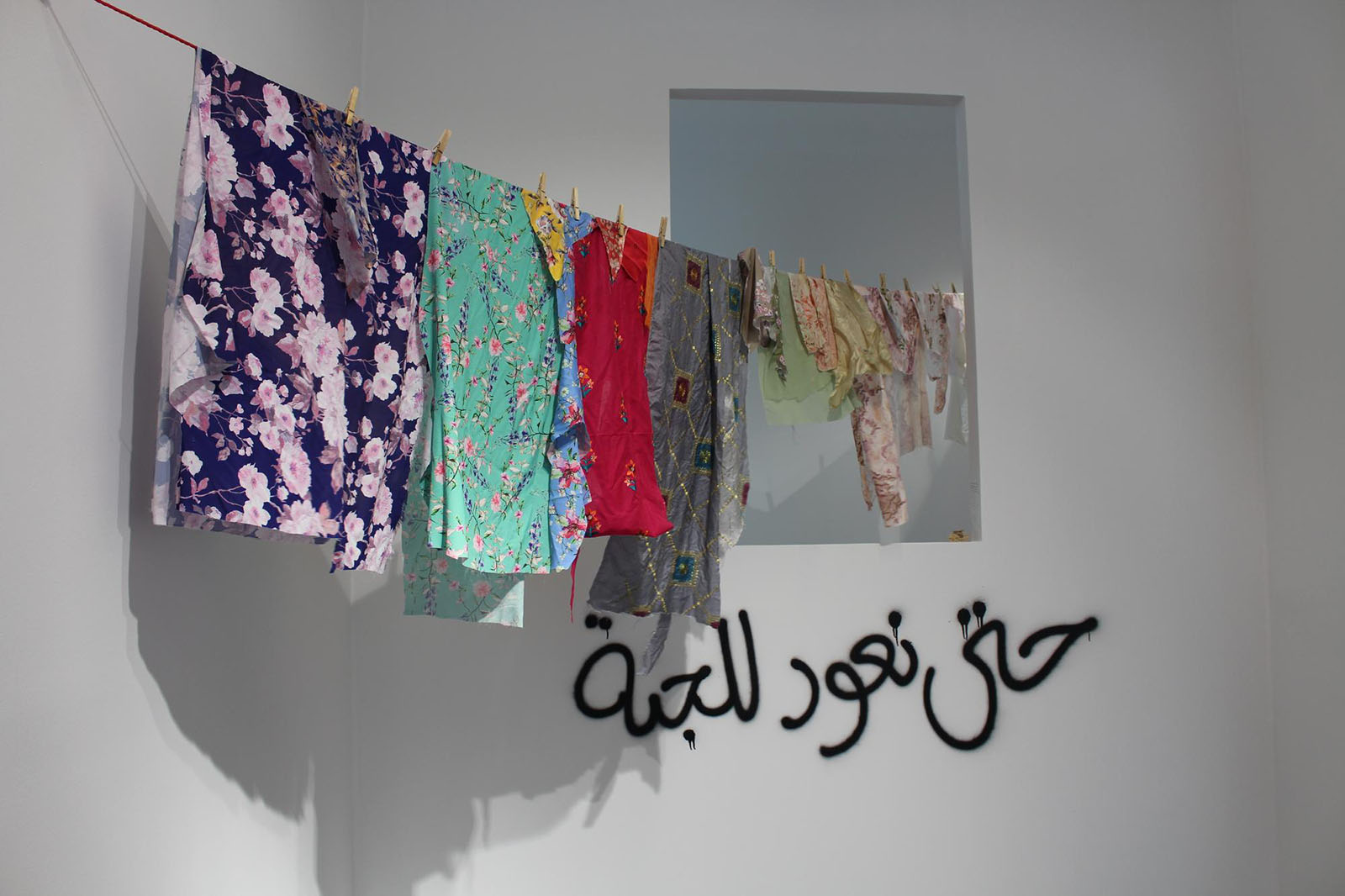
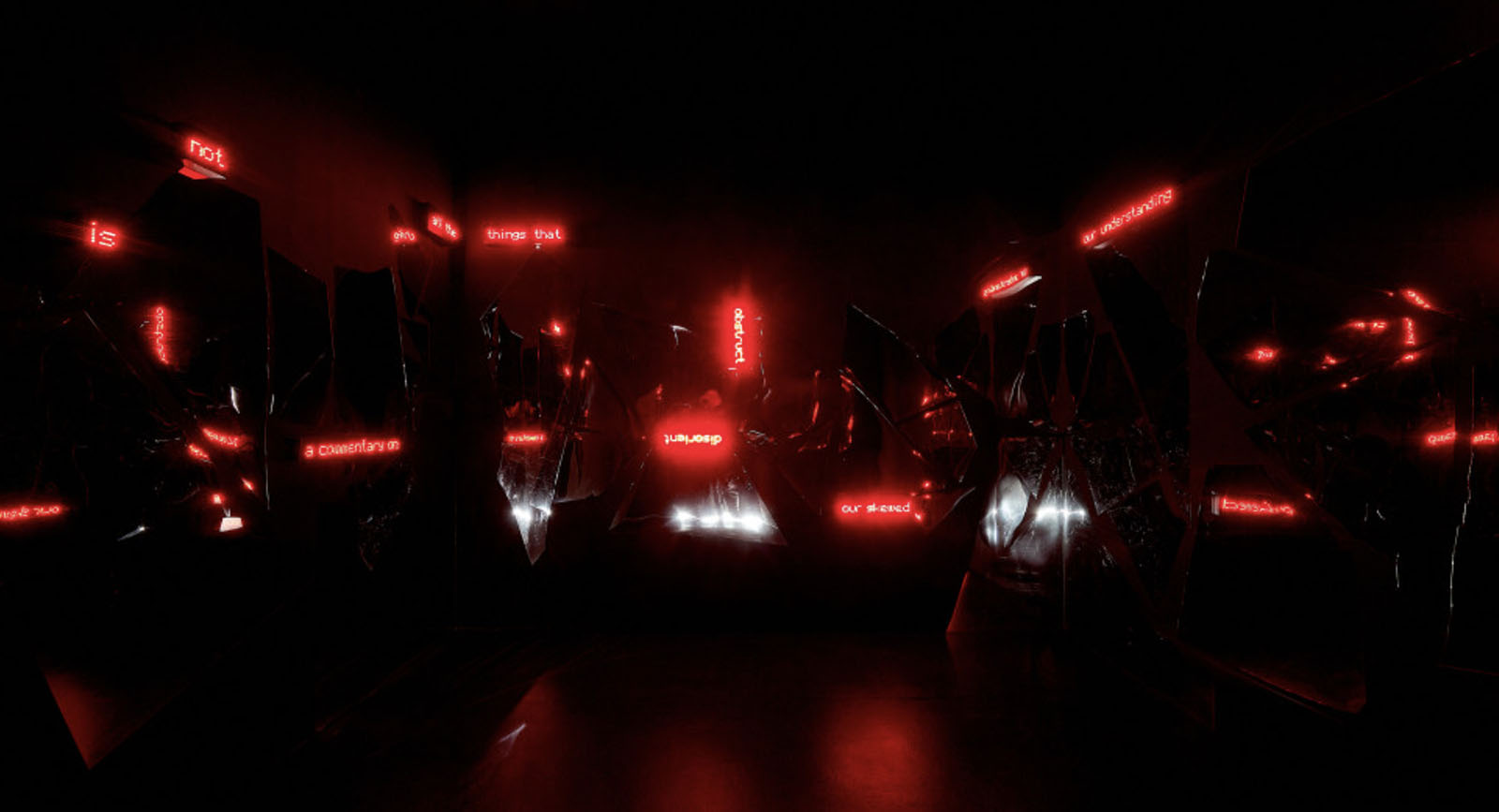
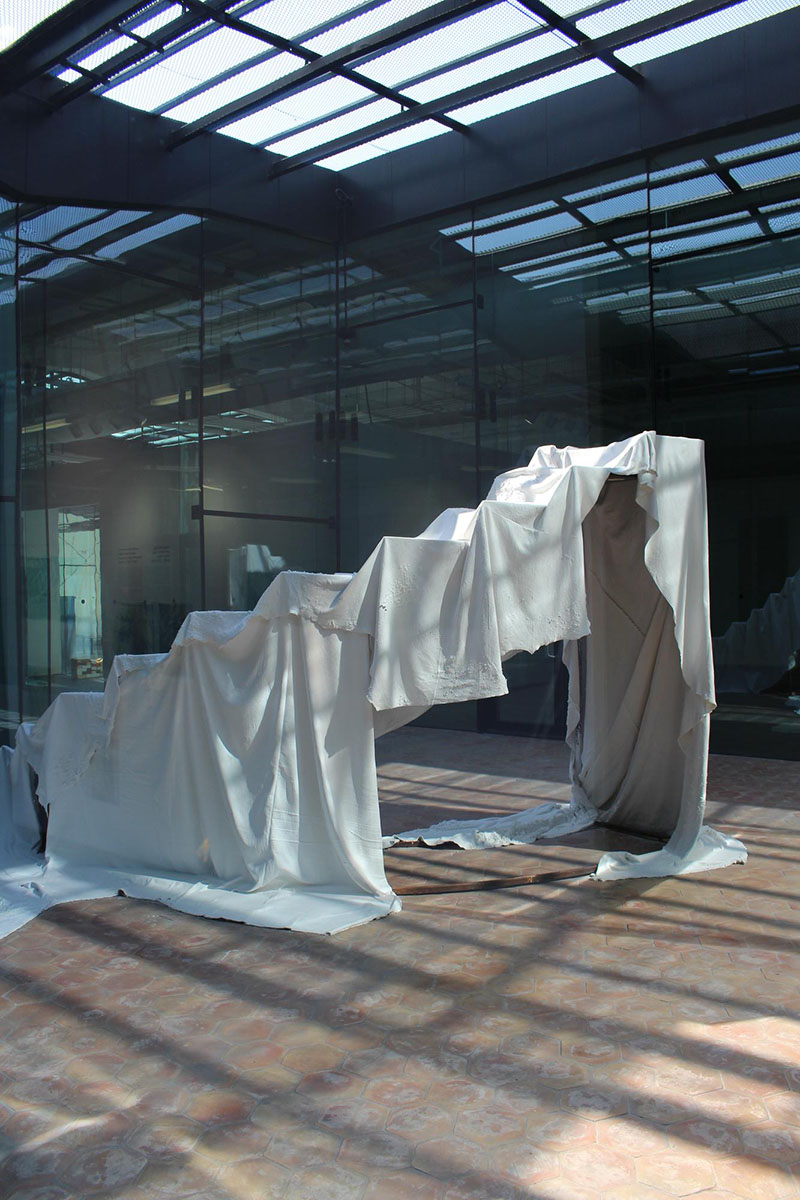
As spatial interventions, the works occupy a visual vocabulary that’s both public and private. In a way, as personal acts, they transgress the rules of address by embracing community participation, peer-to-peer guidance, and critiques. Drawing from site-specificity, urbanity, and the contemporary moment in which we find ourselves, they spark contemplation on interiority and the architectures we inhabit, both virtual and actual. Responding to a more solitary time during COVID-19 restrictions and the mindfulness of a pandemic-ridden environment, several artists turned towards building spaces within spaces as acts of containment that interrogate notions of visibility. As Jalal Toufic wrote in The Withdrawal of Tradition Past a Surpassing Disaster, “We live in a block universe of space-time, where nothing physically passes and vanishes, but where occasionally things withdraw due to surpassing disasters… After the surpassing disaster, the duty of an artist is either to ‘resurrect what has been withdrawn’ or to ‘disclose the withdrawal’.


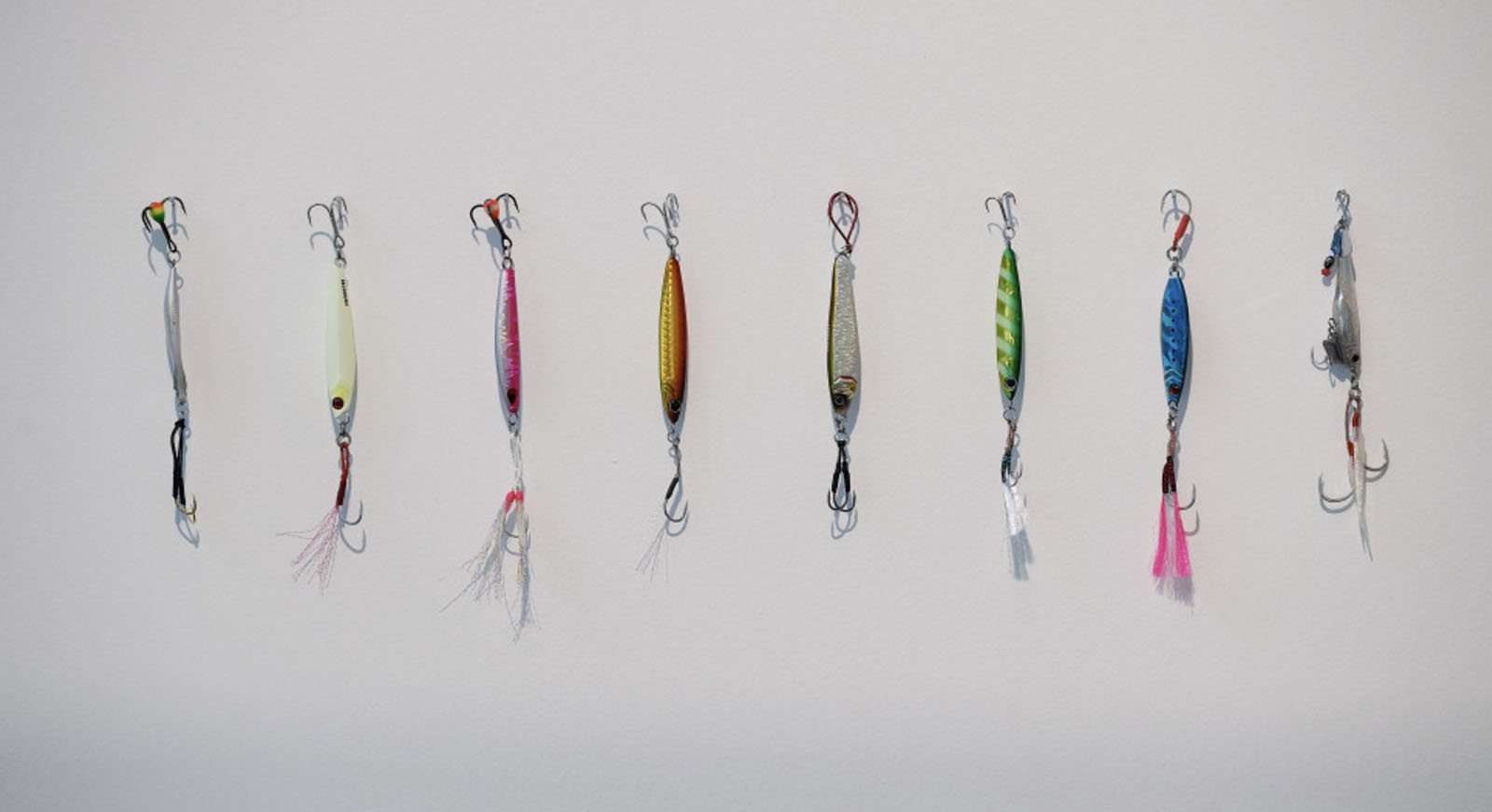
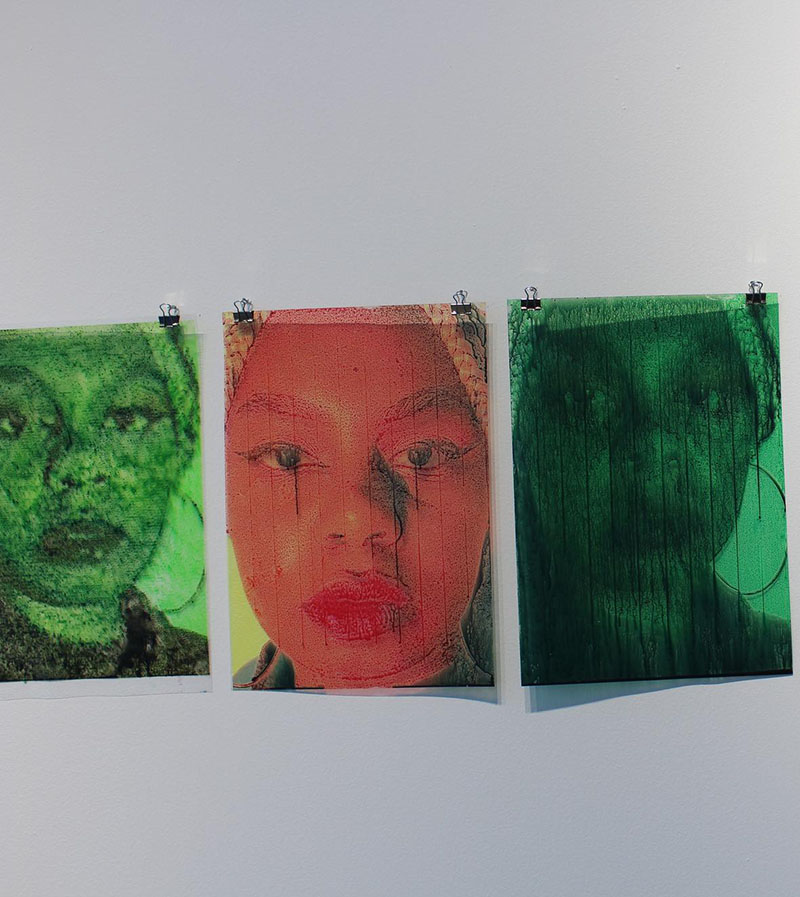
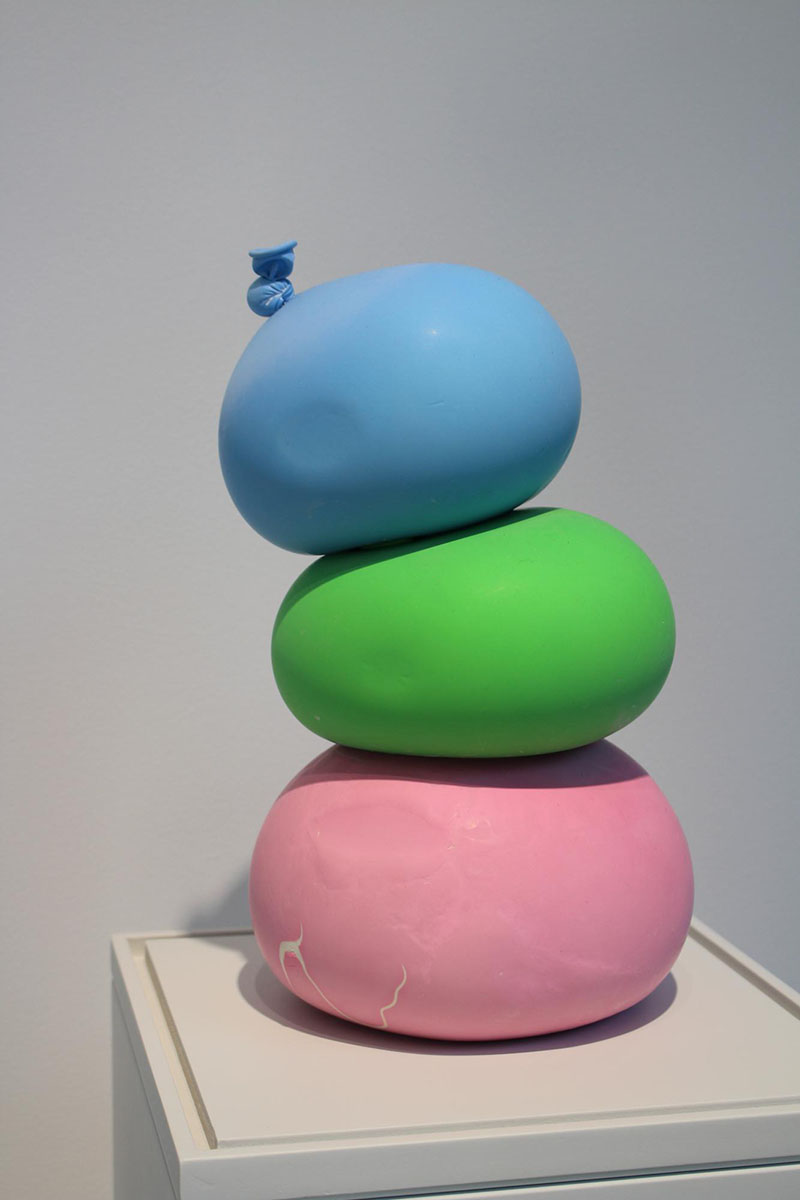
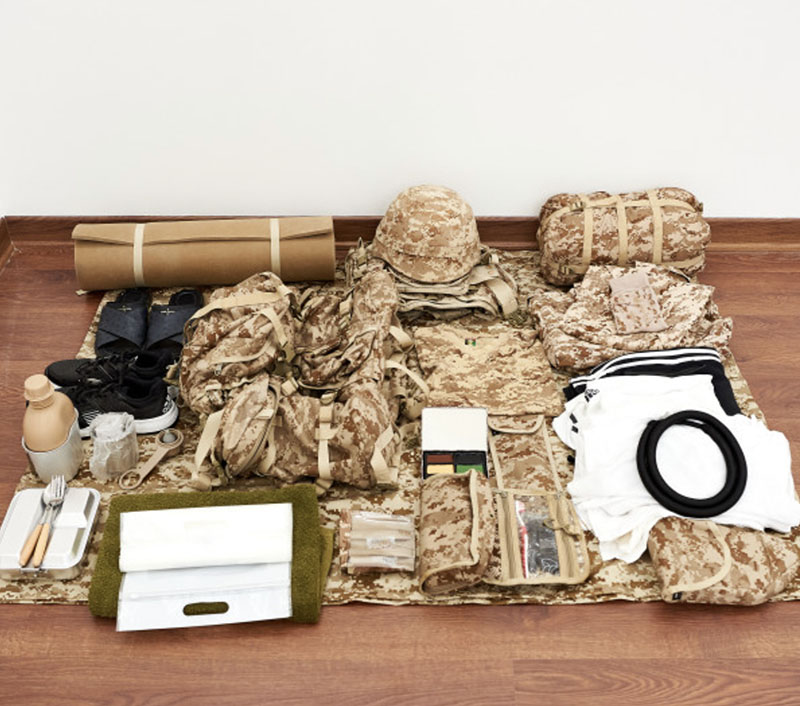
Others turned towards a time of dreams, childhood, and diaries to fuel their works, which resurfaced in palimpsests of image and text. You won’t find traditional mediums like painting or photography this year, but you will find moving images mirroring the city and your own shadow as a viewer-participant. Different sensibilities towards the material, the ephemeral, the digital and the multiple manifest in movements that choreograph military culture and structures of dance, systems of information flows that create order out of conflict and chaos, and gestures that test what materials are supposed to do. Plaster becomes both artifact and viscera, latex is cast into building blocks, language is a sign or sediment.

These are the fruits of an immersive studio practice and a supportive educational framework in which SEAF alumni assist in the mentorship by RISD faculty. Here, pedagogy is not equated with hierarchy. As the 16 SEAF fellows find their way through sustained practices, questions are raised on artistry as a way of being in the world and how artists can remain open to other points of view. How can one cultivate a culture of critique while remaining authentic to one’s practice? Where do rigor and reflection meet? As they are nudged along the way and come into their own, some artists will realize that the journey never ends. As Brazilian educator Paulo Freire put it in We Make the Road by Walking: Conversations on Education and Social Change, “The teacher is of course an artist, but being an artist does not mean that he or she can make the profile, can shape the students. What the educator does in teaching is to make it possible for the students to become themselves.

We welcome school groups to tailored, curriculum-linked experiences at 421. Explore guided tours, hands-on workshops, and downloadable resources designed for different age groups. Booking is essential – find session availability, group size limits, and education packs by getting in touch with us at info@421.online

For media coverage, download high-resolution images, official press releases, artist bios, key project information, interviews, filming requests, or further assets, contact press@421.online. All materials are for editorial use only and must be credited appropriately.

Open Tuesday to Sunday, 10am–8pm. Located in Zayed Port, Al Mina, with step-free access and facilities for all visitors. Timed entry may apply for special exhibitions or events. Find transport options, accessibility details, on-site amenities, and visitor guidelines to make the most of your visit on our Visit Us page.

TOURS

SIGN UP FOR A GUIDED EXHIBITION TOUR

BOOK YOUR VISIT to 421

NEWSLETTER