Mahshid Rafiei: Of Mythic Proportions
TIMINGS
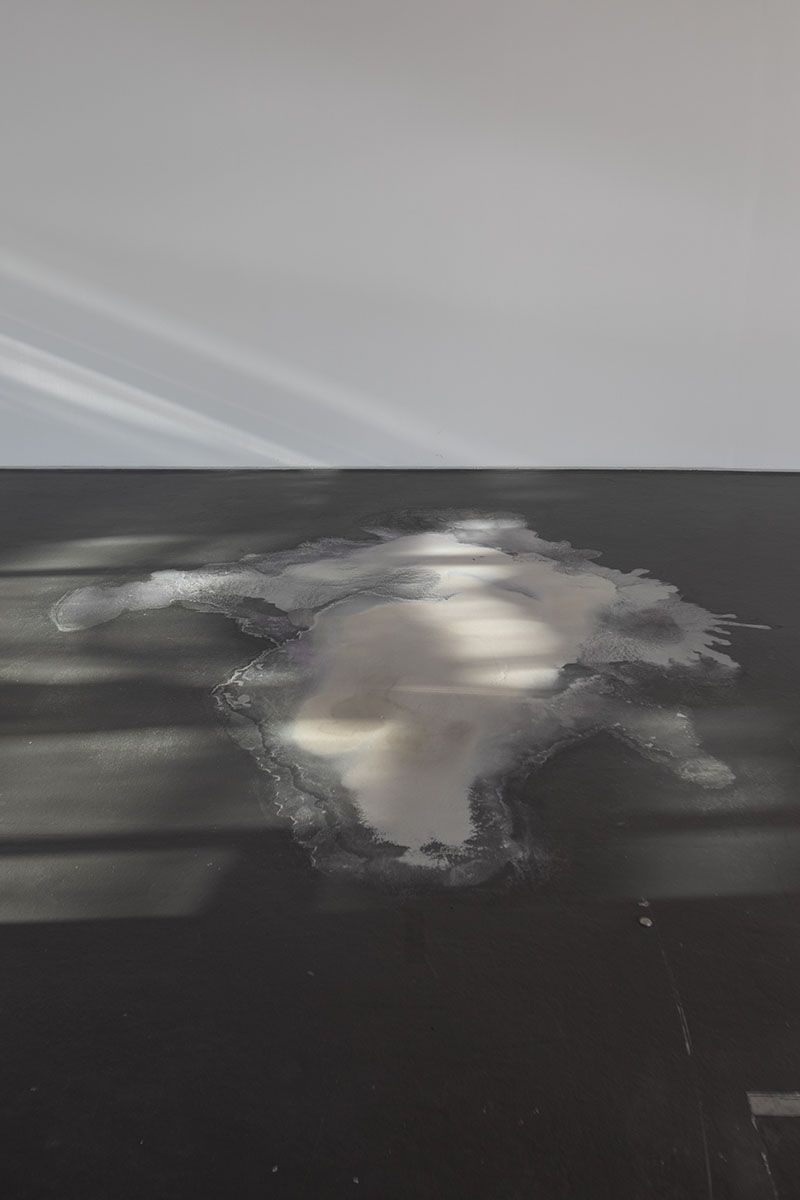
Somewhere in the rivulets of a water spill – finding grooves and imperceptible depressions in the sidewalk – is a metaphor for language, in how it spreads via people talking, moving, encountering new people, borrowing words and changing them as they go along. Millennia’s work of casual conversations: how is the weather? How is your son? Come over for dinner, I’m cooking a meal.
And years later one can imagine the linguists, armed with their dating devices and thick book of etymologies, retracing the water’s path, trying to find its source. A kind of holy grail, a Romantic vision of the ur-language that all words are descended from. And if they find it? Proof of the world’s shared humanity?
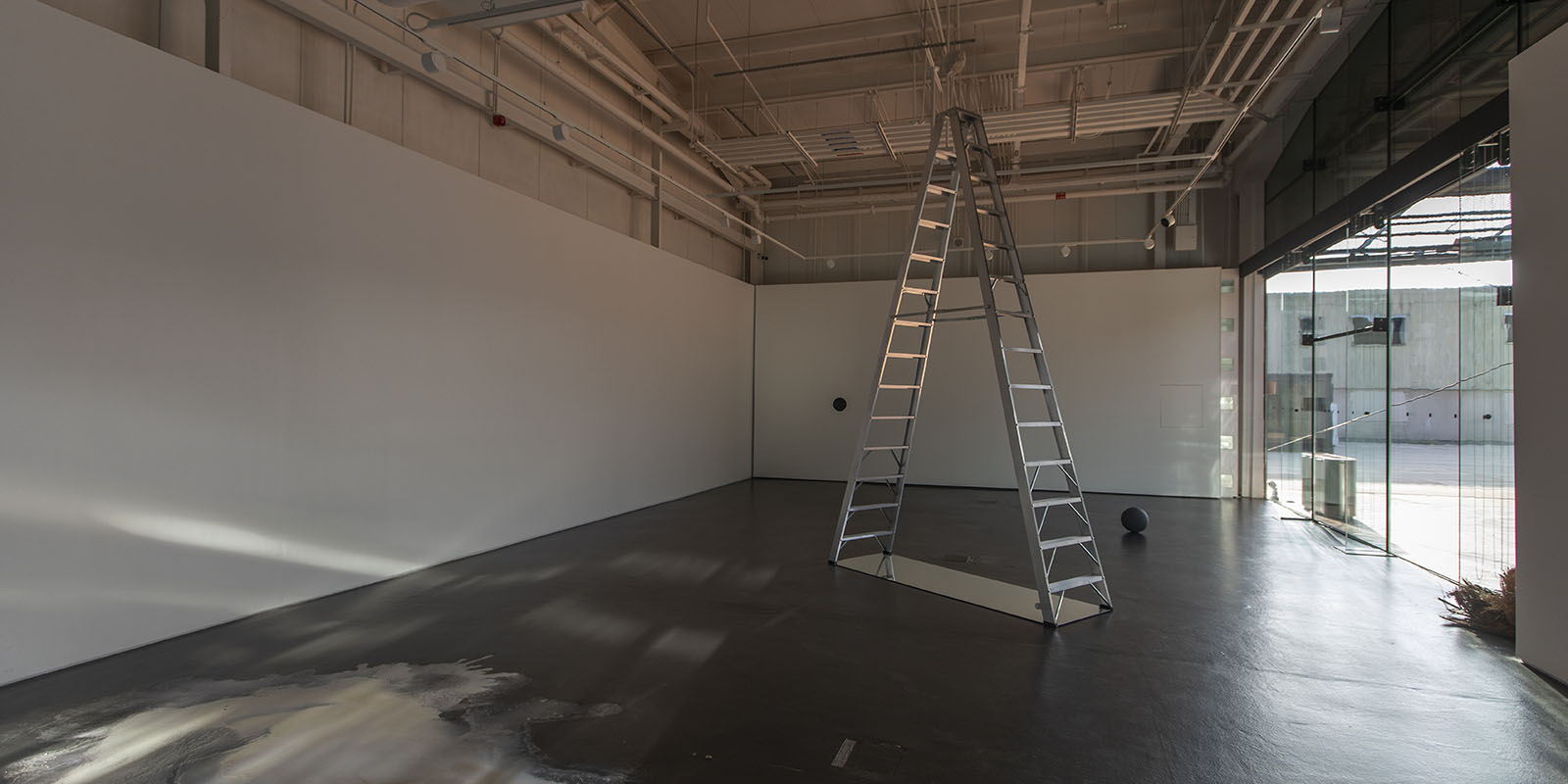
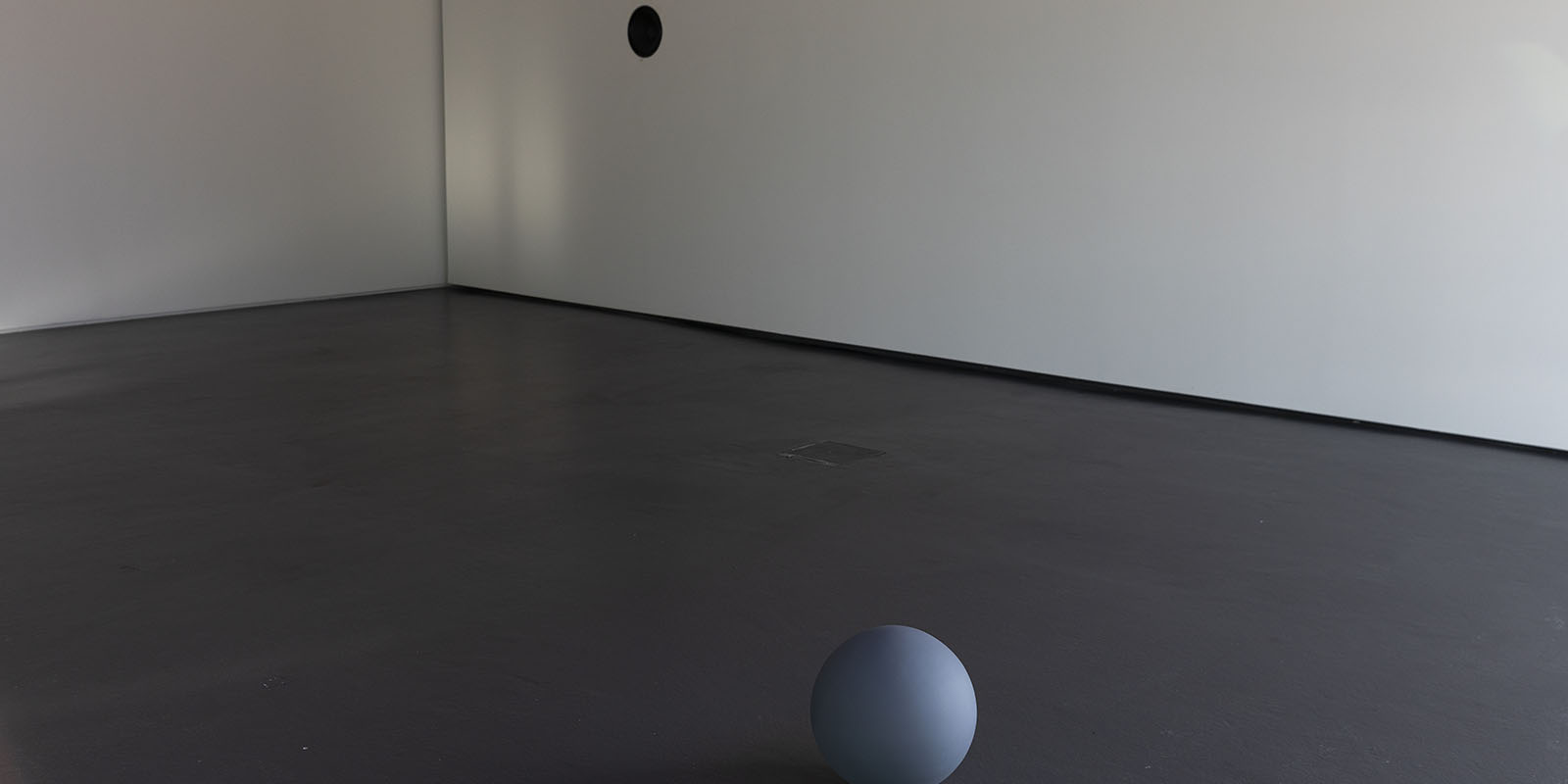
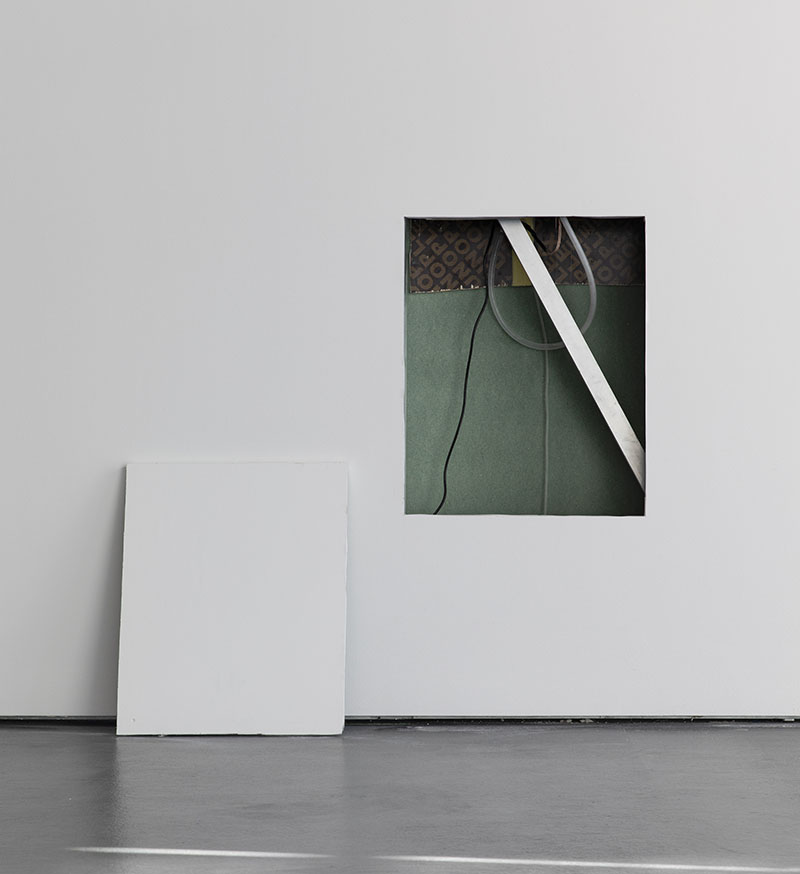
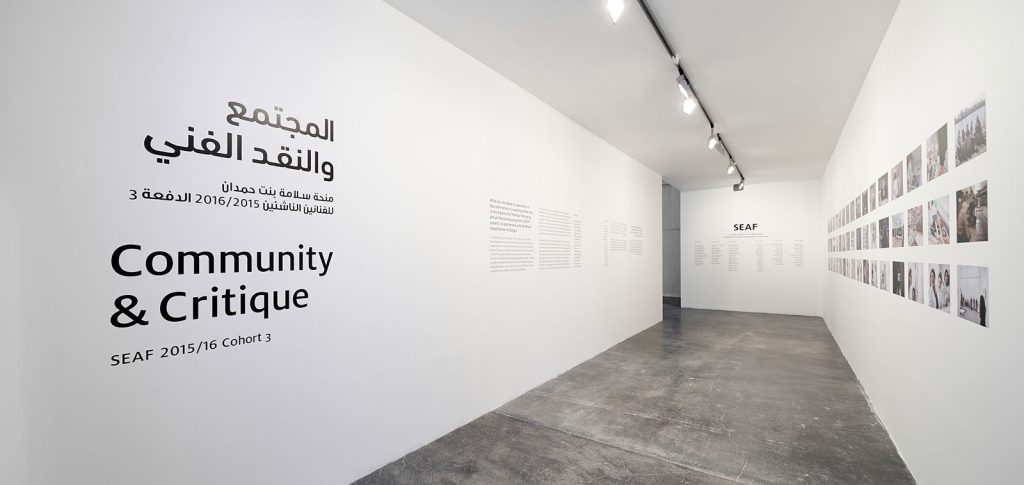
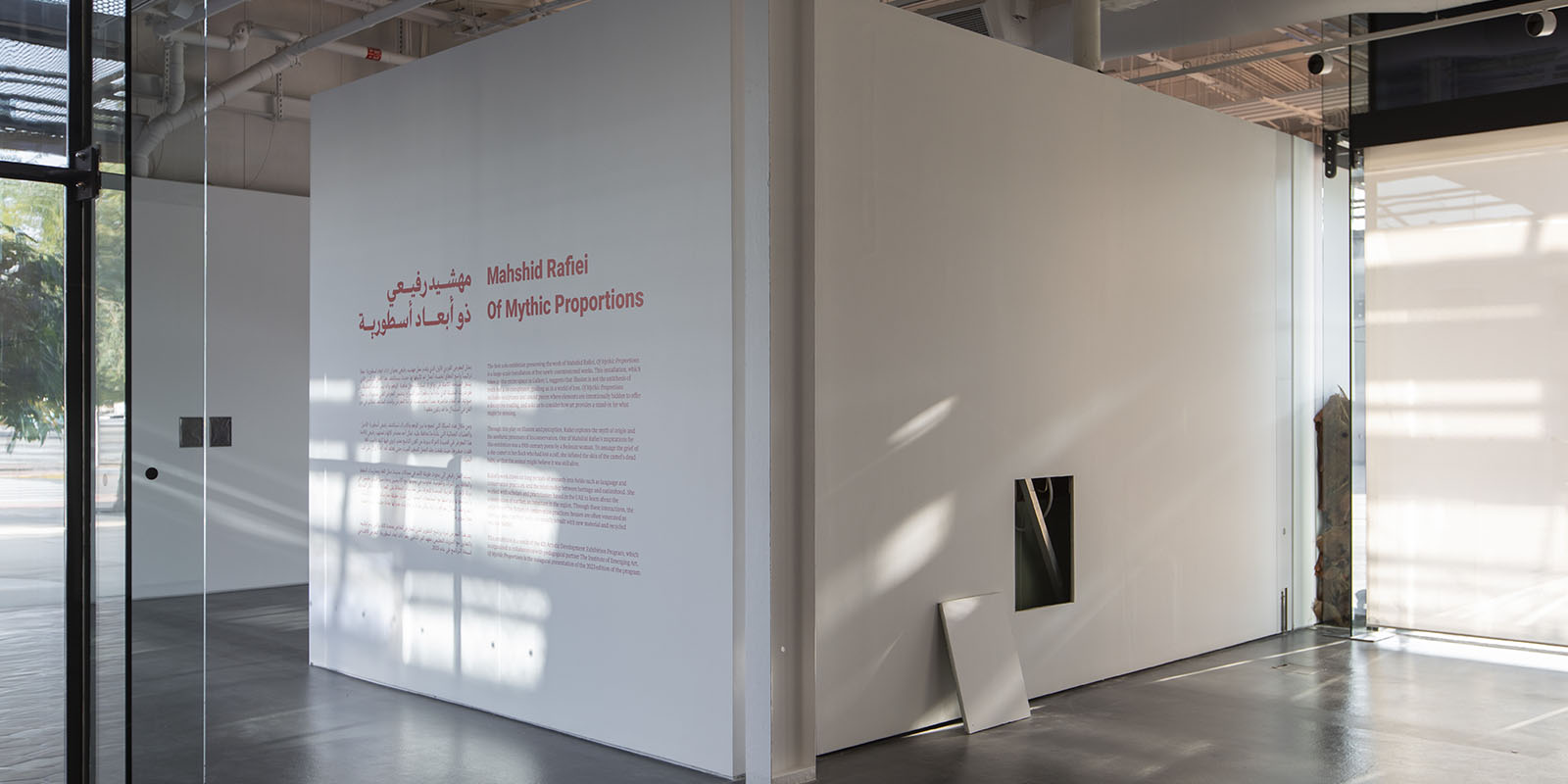
Mahshid Rafiei’s show Of Mythic Proportions considers the pursuit for origins from two angles: linguistic, via the transformation of Arabic and the quest for a “pure” Arabic, and archeological, in the question of what “original” and authentic mean. Illusion and revelation are her tools here: working across a variety of media, she unravels images of perfection to show their grotty, messy construction. A drip of water from a wall highlights the fact that the fine, smooth facade is not the wall itself: merely an exterior hiding the organ-like workings of the building – the air-conditioning, the plumbing, the electrics – that snake along in the gap between two exteriors, showing its smooth facade to unsuspecting visitors on the other side. A mirror, titled chora, folds in on itself, its myriad reflections scrunching up such that they become a dark sphere, a single point in time.
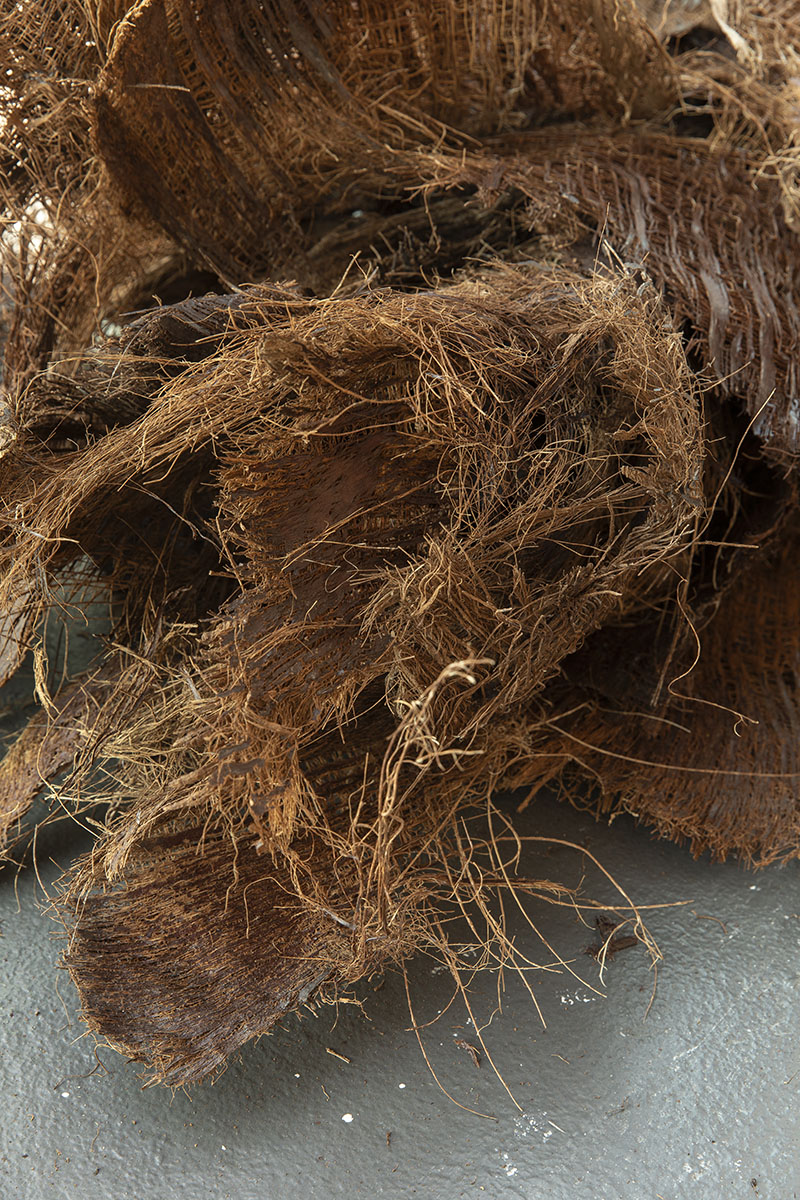
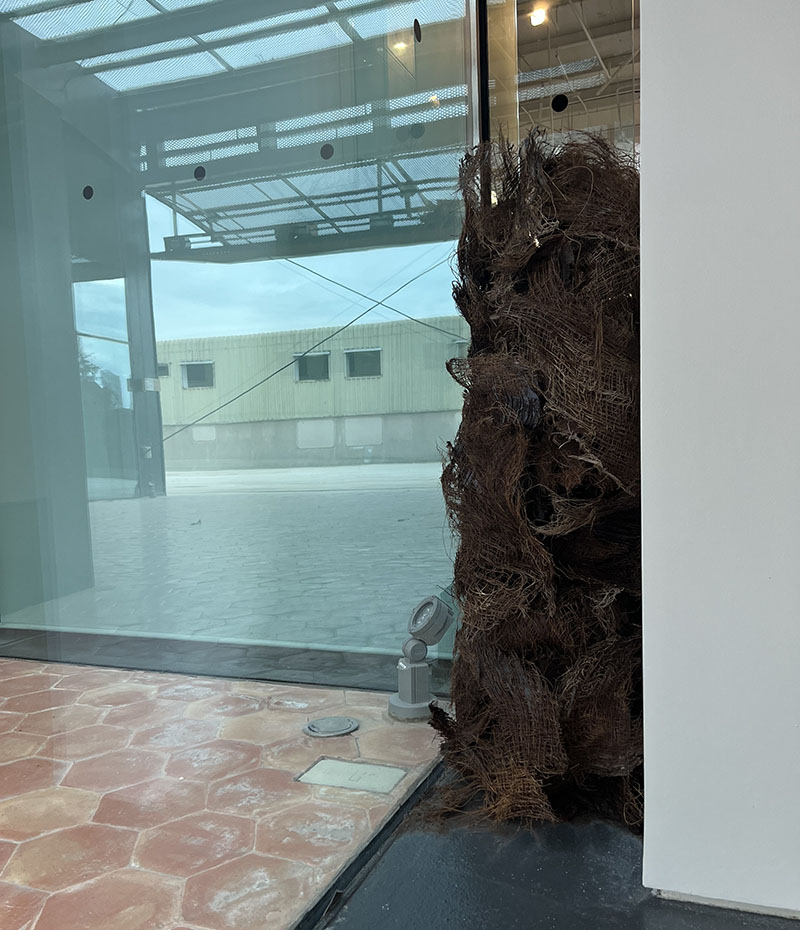
Rafiei sites these illusions in the real world, gingerly watching how they play out politically and socially. Her sculptures and interventions in the 421 gallery draw on a long period of research, and refer back to this source material glancingly or metaphorically: they are explorations or meditations on this source material, rather than literal manifestations of it. Her sound piece, spitting water out onto the wall and causing seeping water damage, alludes to the rhetoric around conservation in the UAE, where the idea of heritage does heavy-lifting. Its very existence battles against the racist terra nullius idea that the UAE were a group of camel-herders before the arrival of oil and the Europeans. And heritage is also important to the project of nationhood, specifically one based on the idea of a core population of Arab Bedouins, which is ritually performed at heritage festivals throughout the winter months. The intangible heritage relating to Bedouin identity supersedes its physical manifestations: few of the early mud-brick, coral or areesh-style house persists. Many have crumbled or been torn down, and changed environmental protection laws now regulate against traditional methods such as coral construction, because of the environmental vulnerability of coral reefs. As a consequence, many heritage sites in the UAE are walls that have been rebuilt, but have still gained heritage status due to their importance to the national narrative. The reconstructions are thus venerated as originals, as true heritage, as the ideals of whatever authenticity people are looking for when they run their hands over centuries-old sandstone, wood and mud-brick.