Rays, Ripples, Residue
TIMINGS
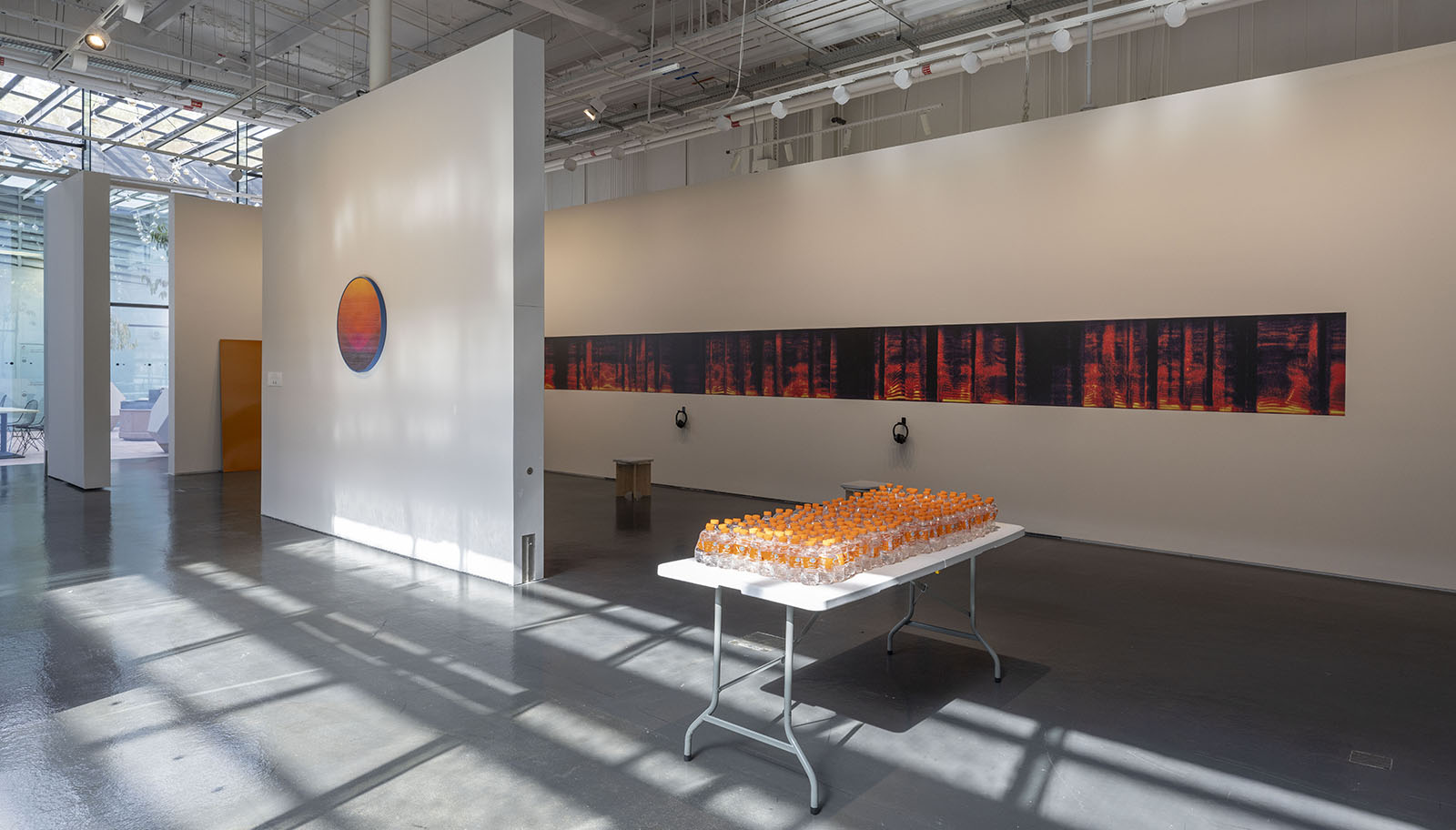
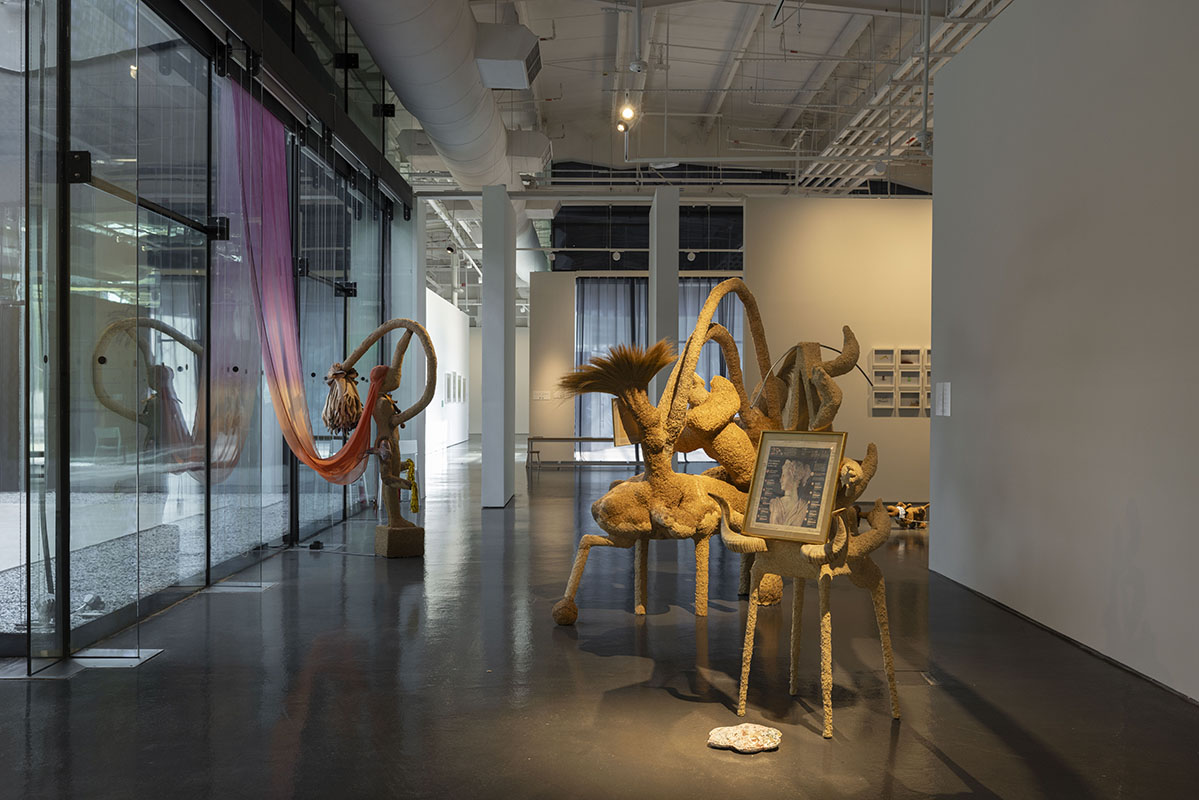
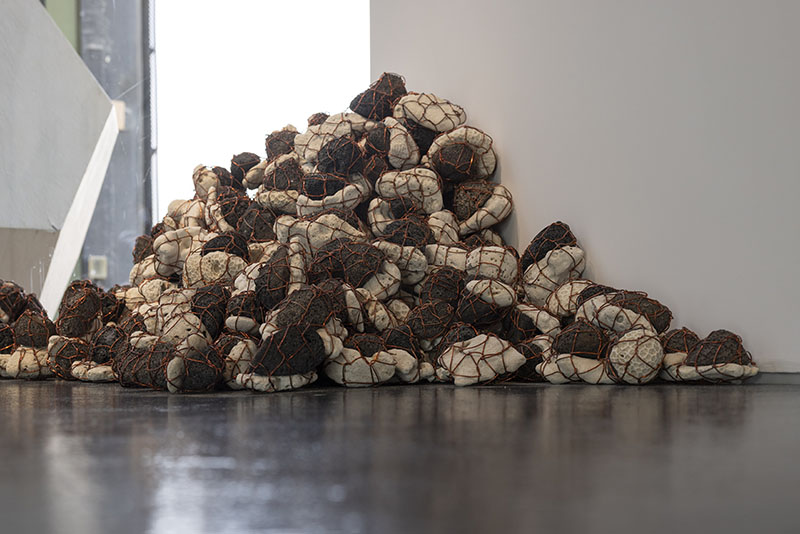
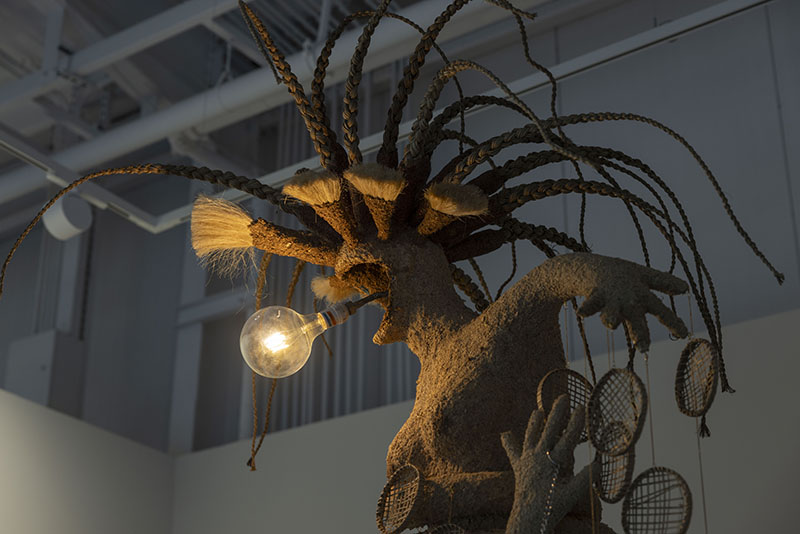
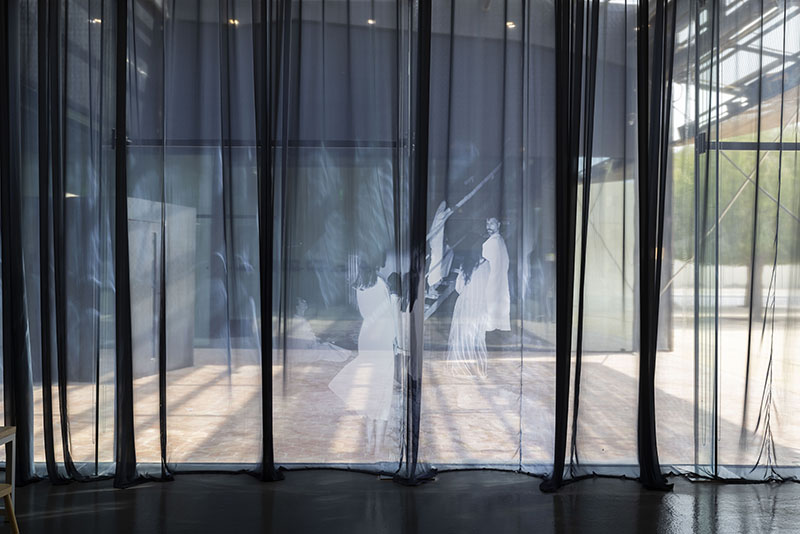
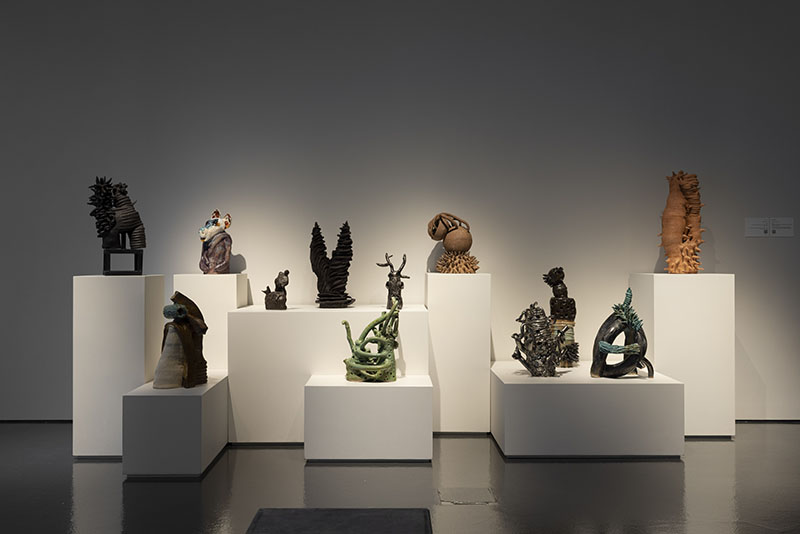
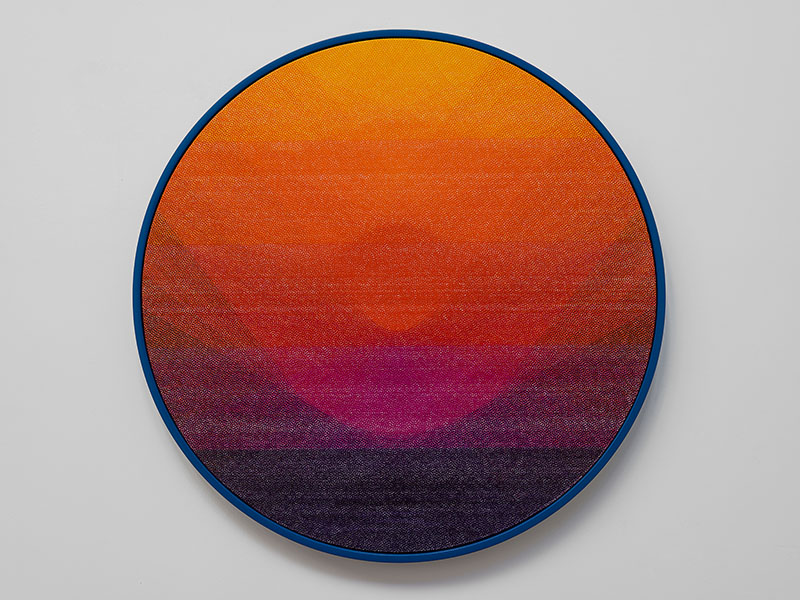
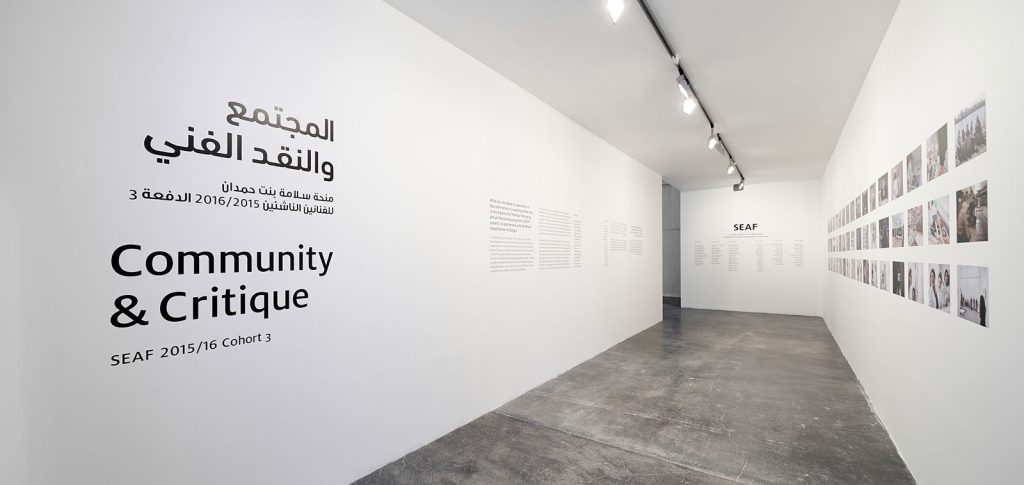
Rays Ripples Residue explores the lasting impressions, afterimages, and the material residues that have shaped exhibition-making and artistic production in the UAE over the past decade. Since 2015, the local art scene has evolved into a dynamic ecosystem, marked by the rise of artist-led initiatives, expanded institutional support, and growing international visibility through biennales, art fairs, and cultural diplomacy. This period has also witnessed deeper engagement with regional histories, identity, and decolonial narratives, reflected across both institutional and independent platforms. Framed through three curatorial perspectives, the exhibition engages with time as a central theme: Munira Al Sayegh curates a chapter that explores past reverberations while Nadine Khalil considers post-moment hauntings. Murtaza Vali presents enduring critiques of commodification and elemental presence.
The exhibition marks the ten-year anniversary of 421 Arts Campus, offering a space for reflecting on emergent artistic practices in the UAE, their possibilities and challenges for the future. Featuring video, performance, installation, and multimedia works, the exhibition invites conversations around what it means to produce art in the UAE today from the vantage point of emerging artists, collectives, and grassroots initiatives, to the influential role of cultural institutions that have supported and platformed these practices.
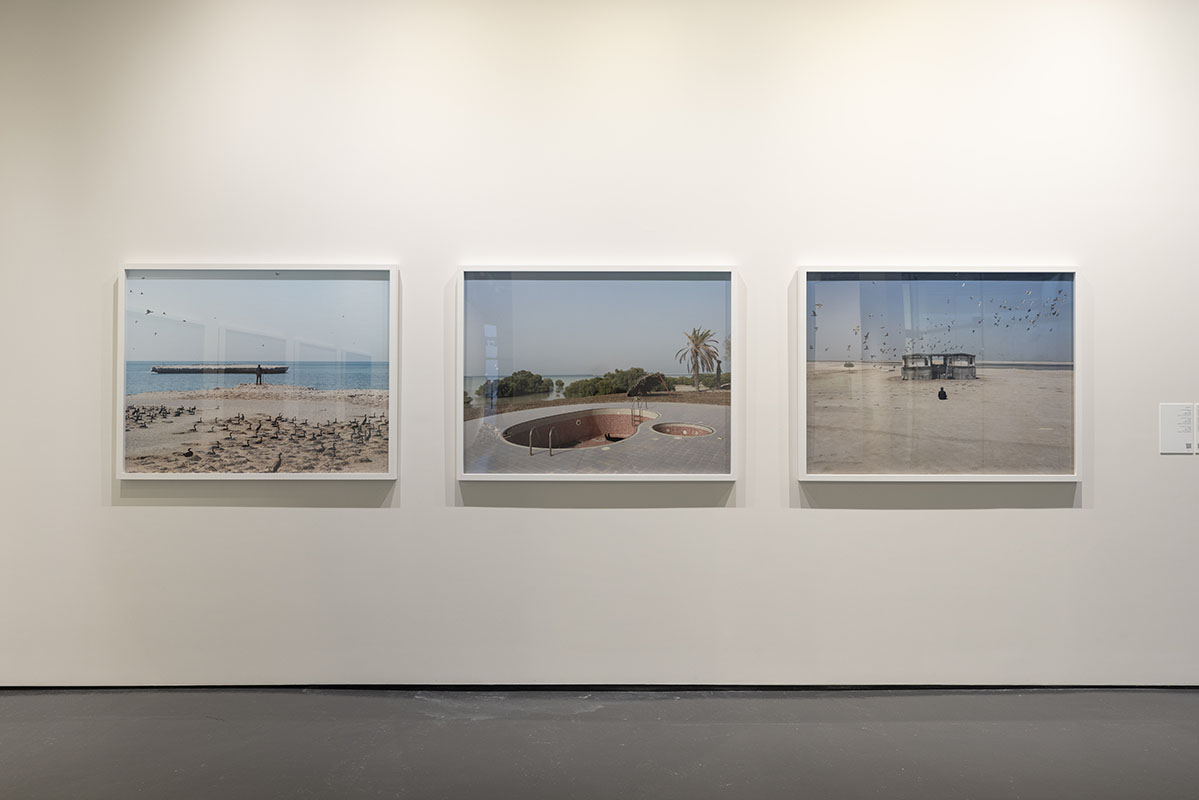
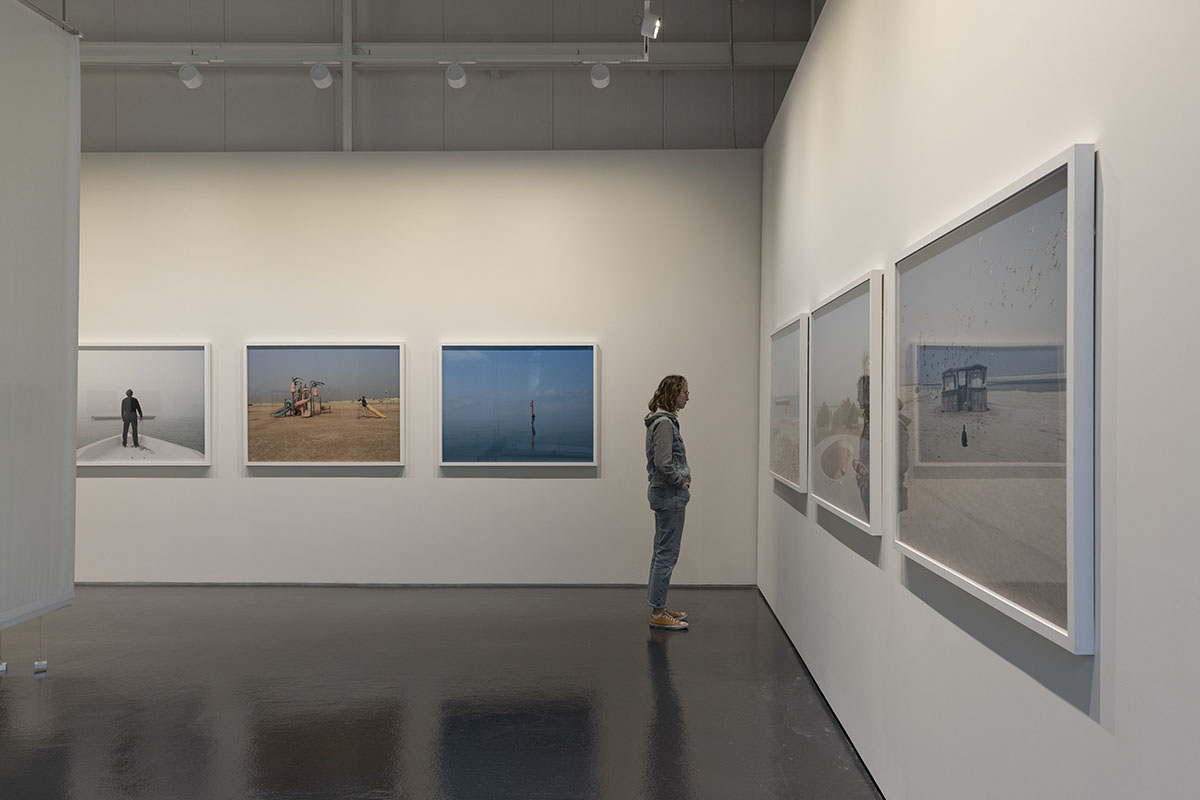
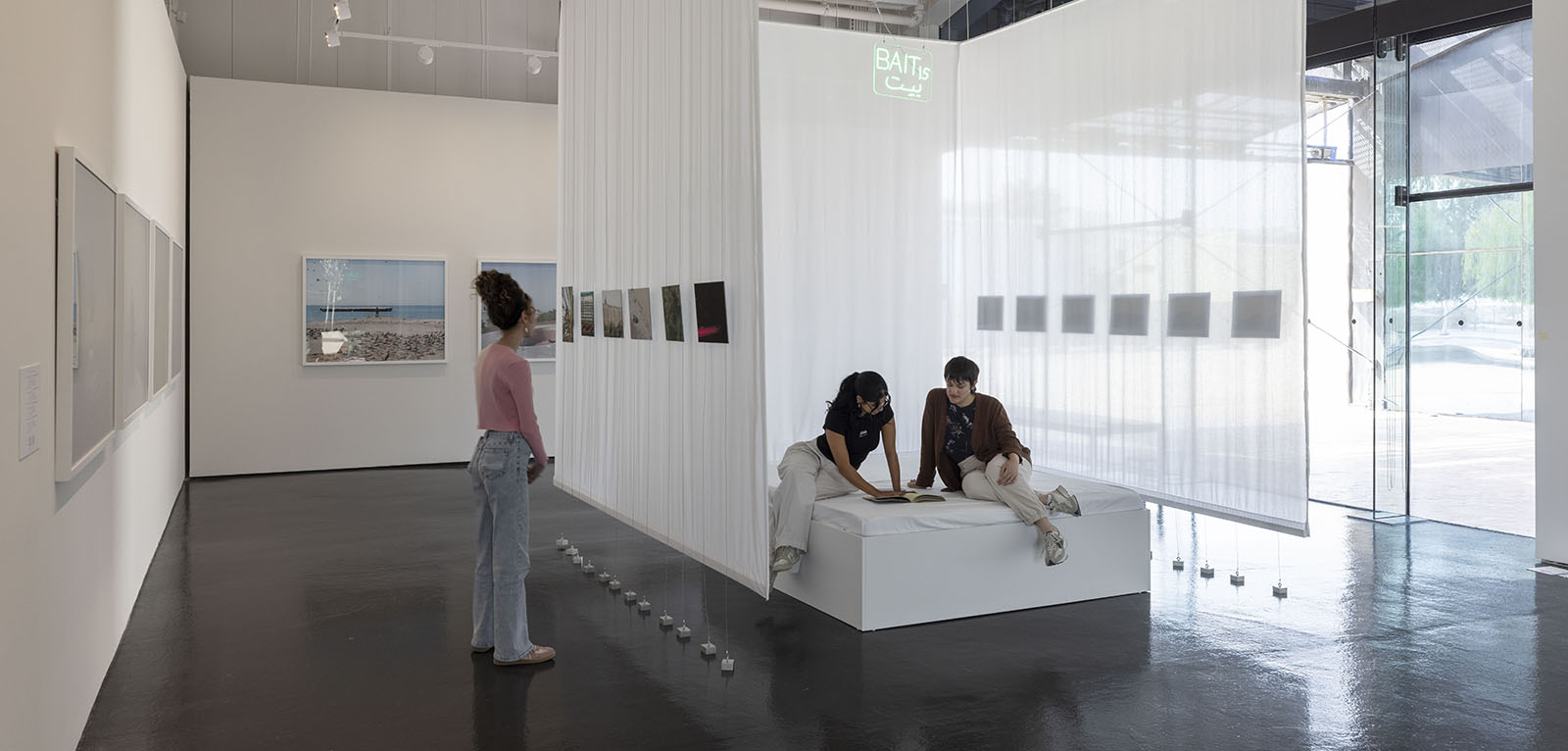
Munira Al Sayegh’s Leading to the Middle draws on the metaphor of the stone and the ripple to reflect on the UAE’s arts landscape over the past decade. Through this lens, she traces the generosity and influence of key actors whose contributions have created lasting reverberations, marking formative turning points in the development of the scene and illuminating what preceded them. Featured artists and spaces include Hassan Sharif, Mohammed Ahmed Ibrahim, Tarek Al Ghoussein, Bait15, Lamya Gargash, and Adele Bea Cipste.
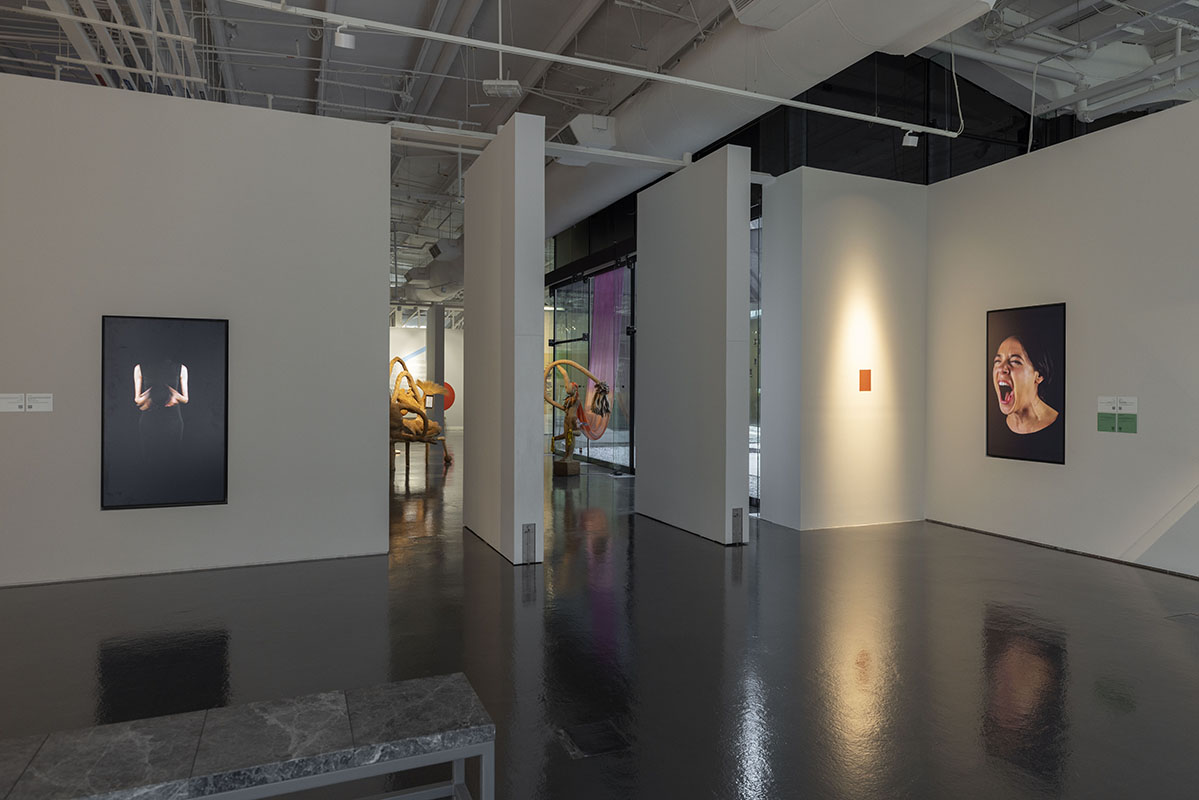
In Moments After/Ghosts of Arrival, Nadine Khalil meditates on the layered experience of arriving “after”: after a time of artistic ferment, risk-taking, and a now-mythologized energy that shaped cultural production in the UAE from the early 2000s to the mid-2010s. As a writer and researcher who entered the scene after this formative period, she examines the quieter structures that continue to shape the present. Rather than restaging or romanticizing the past, Khalil proposes that the memory of risk itself becomes a material, informing art-making and exhibition-building in the present. Featured artists, collectives, and spaces include Sara Naim, Mona Ayyash and Nadine Ghandour, Bait15, Lucinda Childs, Sarah Daher, and Cristalina Perera.