Subversive Stitch
TIMINGS
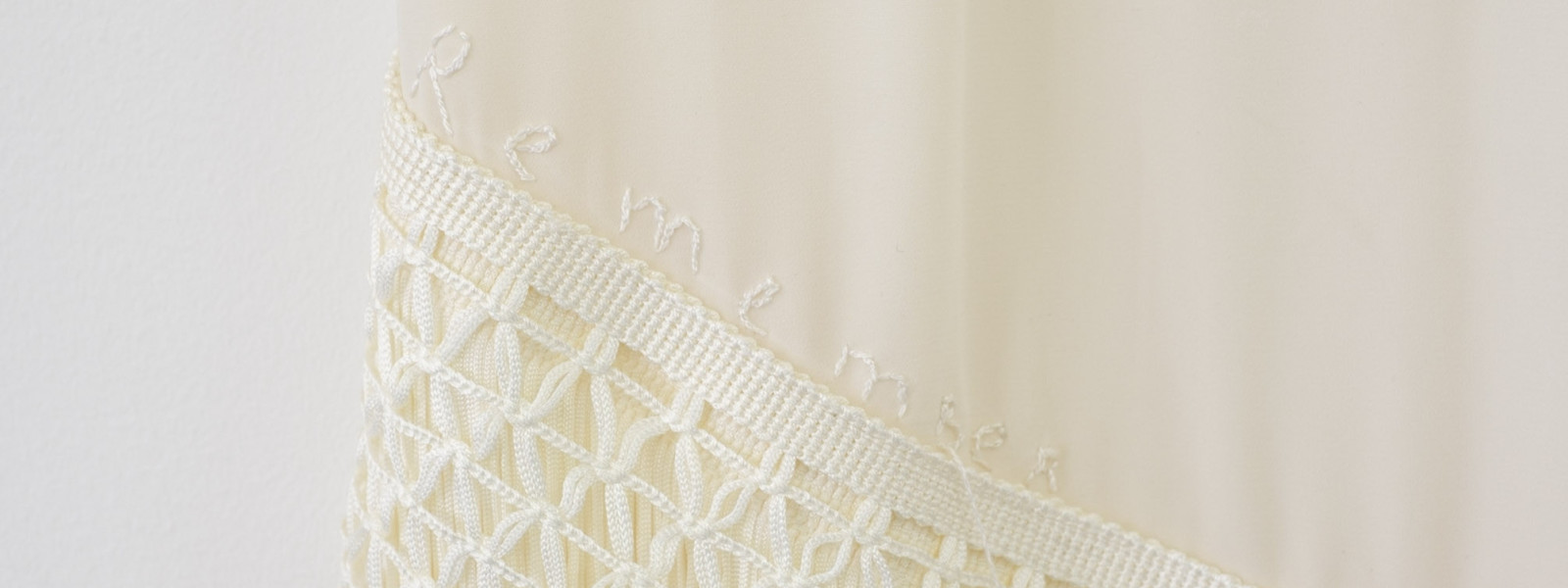
Subversive Stitch is a two-part workshop which consists of a reading group and discussion, followed by a practical workshop in which the information discussed in the first session is explored through a communal embroidery exercise.
Subversive Stitch is a two-day workshop which consists of a reading group and discussion, followed by a practical workshop in which the information discussed in the first session is explored through a communal embroidery exercise.
Participants can expect to learn about the relationship between women and embroidery, the history of needlework, examples of artists working with embroidery and the evolving role of embroidery in both the craft movement and fine art.
In the first session, excerpts from “The Subversive Stitch: Embroidery and the Making of the Feminine’ will be shared and participants will be invited to take turns reading the text. After each reading, participants will be invited to engage in a discussion about the text.
At the end of the session, Fatima will ask the participants to think of a word which encapsulates their relationship to embroidery ahead of the next session. She will also share a few examples of artists working with embroidery to encourage further investigation and research of the medium.
In the second session, each participant will be offered an embroidery set (hoops, fabric, threads and needles) and will be invited to embroider the word they chose in the first session that represents embroidery to them, Fatima will be helping them by demonstrating basic stitches and will also invite participants to share why they had chosen that particular word and their impressions on artists working with embroidery.
This two-day workshop takes place on 16 Feb and 23 Feb.
About the instructor:
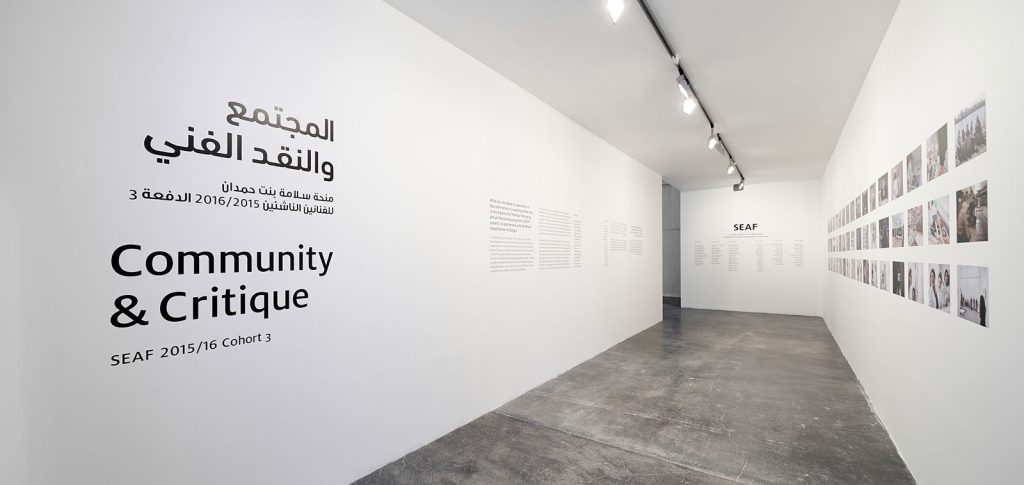
Fatima Uzdenova is a UAE-based artist with an MA in Sculpture from the Royal College of Art, London. An alumna of the Salama bint Hamdan Emerging Artists Fellowship, Uzdenova’s practice is anchored in the concept of a garden as a place of conquest, a spiritual terrain, and a source of nourishment.
Her multidisciplinary practice includes sculpture, performance, audio walkatives and writing in addition to her research, which is currently focused on colonial botany and the ‘fictive’ as a methodology to explore the legacies of colonisation, geopolitical histories and Russian Orientalism.