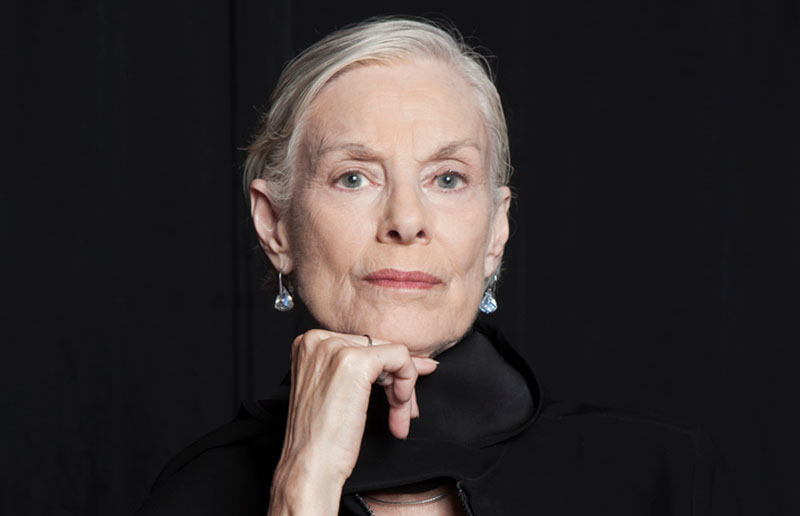
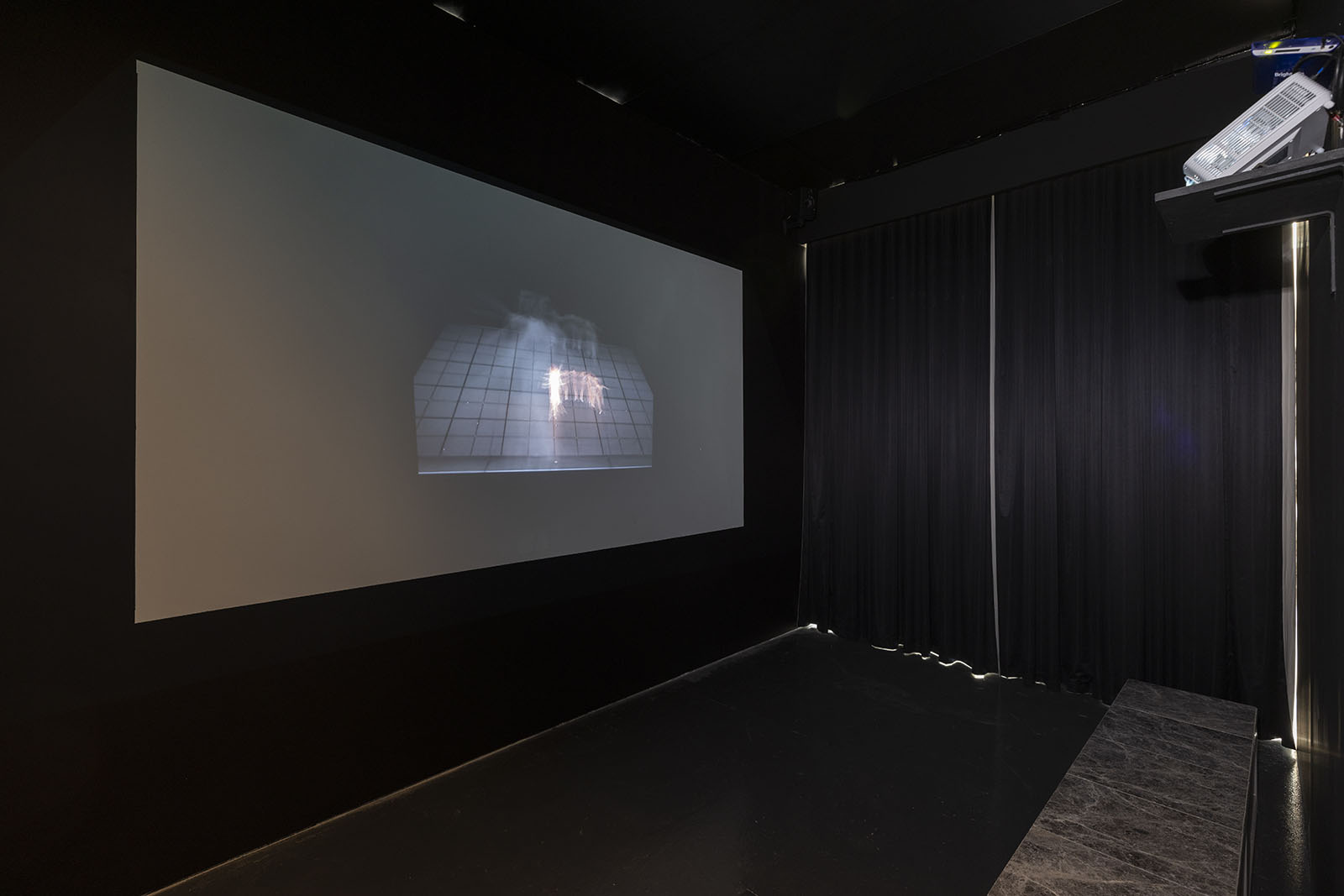
DANCE by Lucinda Childs is both a landmark of postmodern choreography and a meditation on time and re-enactment. Originally created in 1979 in collaboration with composer Philip Glass and visual artist Sol LeWitt, the work epitomizes a moment of radical experimentation in New York’s downtown art scene, where dance, performance and film-making merged. Emerging from the legacy of the Judson Dance Theater – a collective of dancers, visual artists, and musicians that redefined movement as a form of everyday inquiry – DANCE carries forward the ethos of artistic collaboration and cross-disciplinary experimentation that shaped the postmodern dance movement. Its minimalist vocabulary of quick, precise movements,paired with Glass’s pulsing score and LeWitt’s projected film,creates a formally exacting yet ethereal environment.
Presented for the first time in the UAE at NYUAD Arts Center in 2018, the production marked a significant revival, touring with a new company of eleven dancers under Childs’ direction. This restaging, originally remounted by the Richard B. Fisher Center at Bard College, included a complete restoration of Sol LeWitt’s film, enabling a dual-temporal experience: the original ensemble, including Childs herself, dances onscreen while the present-day company performs live. At NYUAD, this encounter between past and present took on added resonance—as a “ghost of arrival,” echoing the university’s own institutional beginnings, and the precarity and potential of cultural foundations still in formation.
By collapsing decades into a single frame, DANCE becomes more than a performance of history and temporal dissonance.; Indexing a time when collectivity was reimagined, it invites the audience to witness the body as archival material and living presence, and to consider how art returns in ghostly structures of thought.